Made in the USA — ISO 9001 build
Design for Manufacturing: StingWave Pool Leaf Vacuum
- DESIGN FOR MANUFACTURING
- MECHANICAL ENGINEERING
- CFD SIMULATION
- PROTOTYPING
- MANUFACTURING SUPPORT
- CERTIFICATION SUPPORT

Written by Konstantin Dolgan, Ph.D., NPDP
Founder & CEO, Product Development Engineer
Published August 30, 2026
Design for manufacturing services are the engineering work that converts a functioning prototype into something a factory can build repeatably: molding-ready geometry, part consolidation, tolerances and fits, production CAD and drawings, assembly documentation, supplier sourcing, and direct DFM negotiation with the tooling vendor.
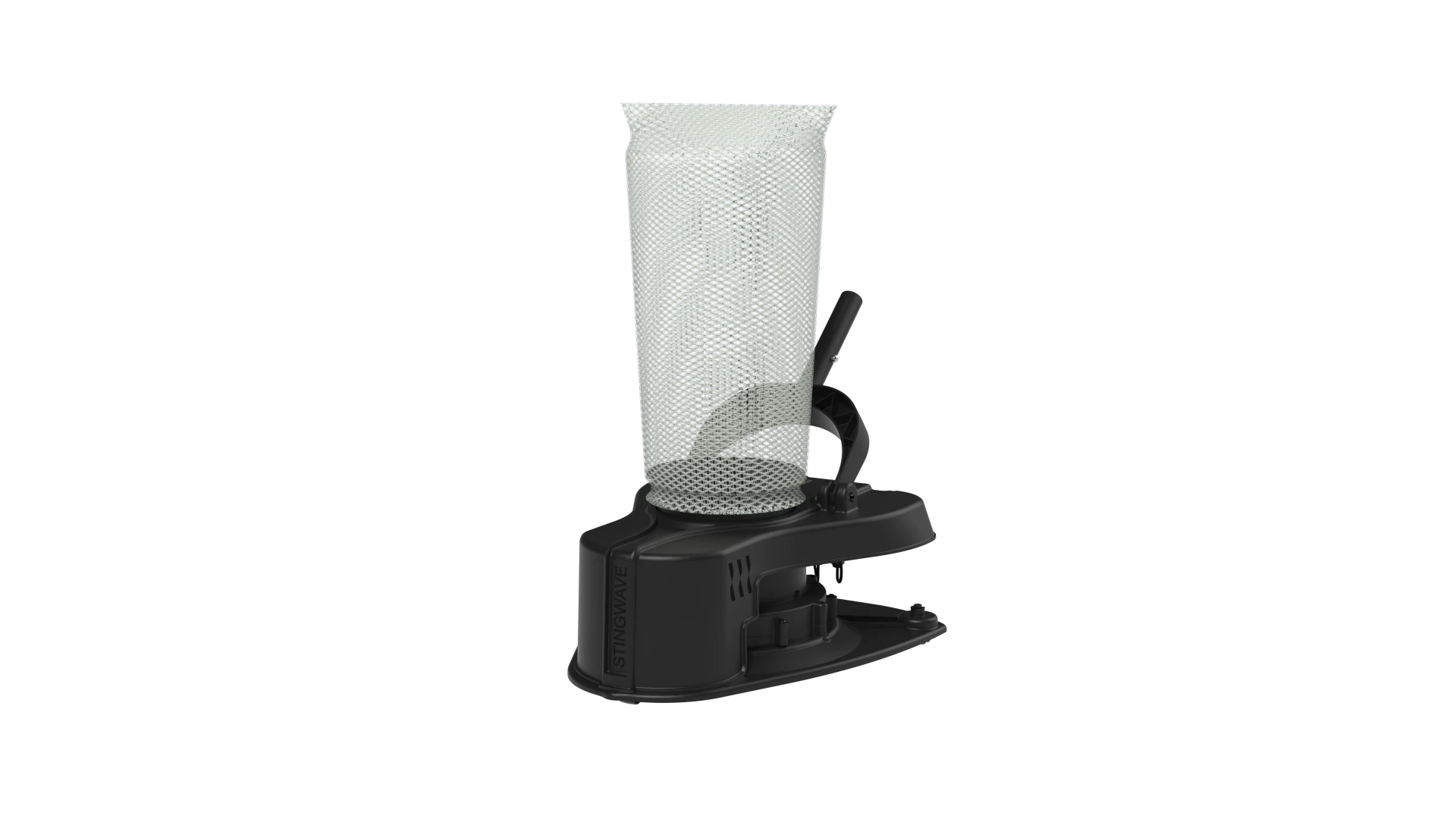
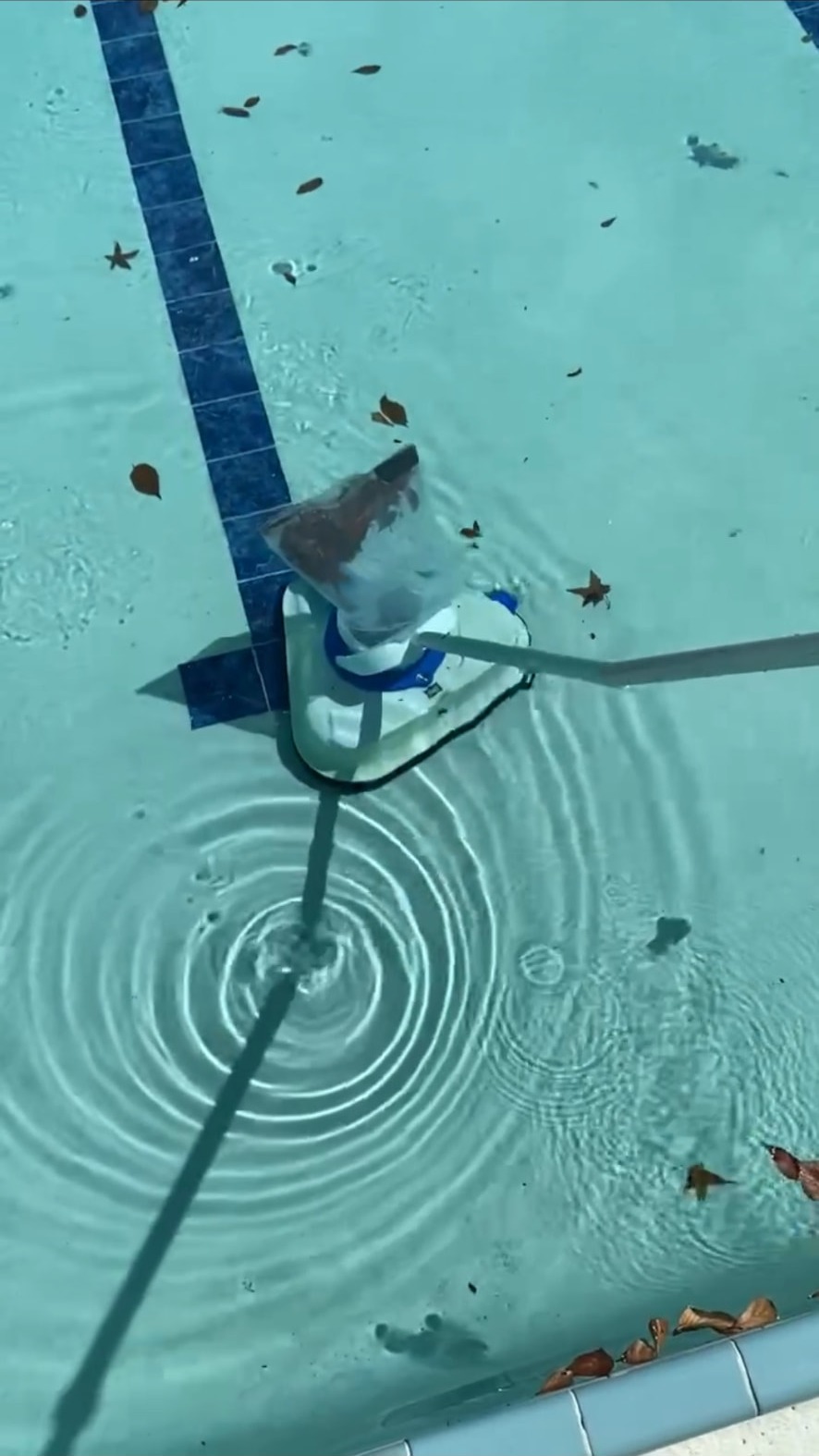
StingWave is a battery-powered pool leaf vacuum that needs no garden hose. Todd Dufilho brought LA NPDT a patented proof of concept; we engineered the hydraulics to 76% efficiency with CFD simulation, built alpha and beta functional prototypes, delivered the full engineering and DFM package, supported UL preparation, and helped launch production at his ISO 9001 facility in Baton Rouge, Louisiana.
Project at a glance
- Client
- Todd Dufilho, CEO of Waveform (Baton Rouge, Louisiana)
- Product
- StingWave — battery-powered, hose-free pool leaf vacuum
- Starting point
- A patented concept and a hand-built proof-of-concept rig
- Program focus
- Engineering, CFD optimization and design for manufacturing
- What we delivered
- CFD-optimized hydraulics, alpha and beta functional prototypes, full engineering and DFM package, assembly documentation, sourcing and UL support
- Key result
- 76% hydraulic efficiency, against under 50% typical for comparable devices
- Stage reached
- In production — made in the USA, assembled at Waveform's ISO 9001-certified facility
- Where it is headed
- Sold to pool owners and service contractors who clean without adding water
What the client said
★★★★★
“Konstantin and his team are some of the best in the business. They were able to take our recently patented concept and turn it into a real world working product for a very reasonable price.
With their cutting edge technology we saved hundreds of thousands of dollars (based on other prototyping companies' estimates) and produced working prototypes in a very short time frame. Within several months we'll be selling our pool cleaner on the market and we could not have done it without the amazing team at LA New Product Development Team.”
 Todd DufilhoCEO, WaveformClient testimonial
A battery-powered pool leaf vacuum that needs no garden hose — engineered from a patented proof of concept into a product now manufactured in Louisiana.
The client
The challenge
- No hose, no dilution. StingWave draws and recirculates the pool’s own water, so the chemistry the operator paid for stays where it is.
- Built for contractors. Battery power and fast setup mean a crew can clear a leaf-loaded pool in a fraction of the time a robot or hose-fed vacuum takes.
- Water saved per clean. A hose-fed session can add hundreds of gallons to a pool; StingWave adds none.
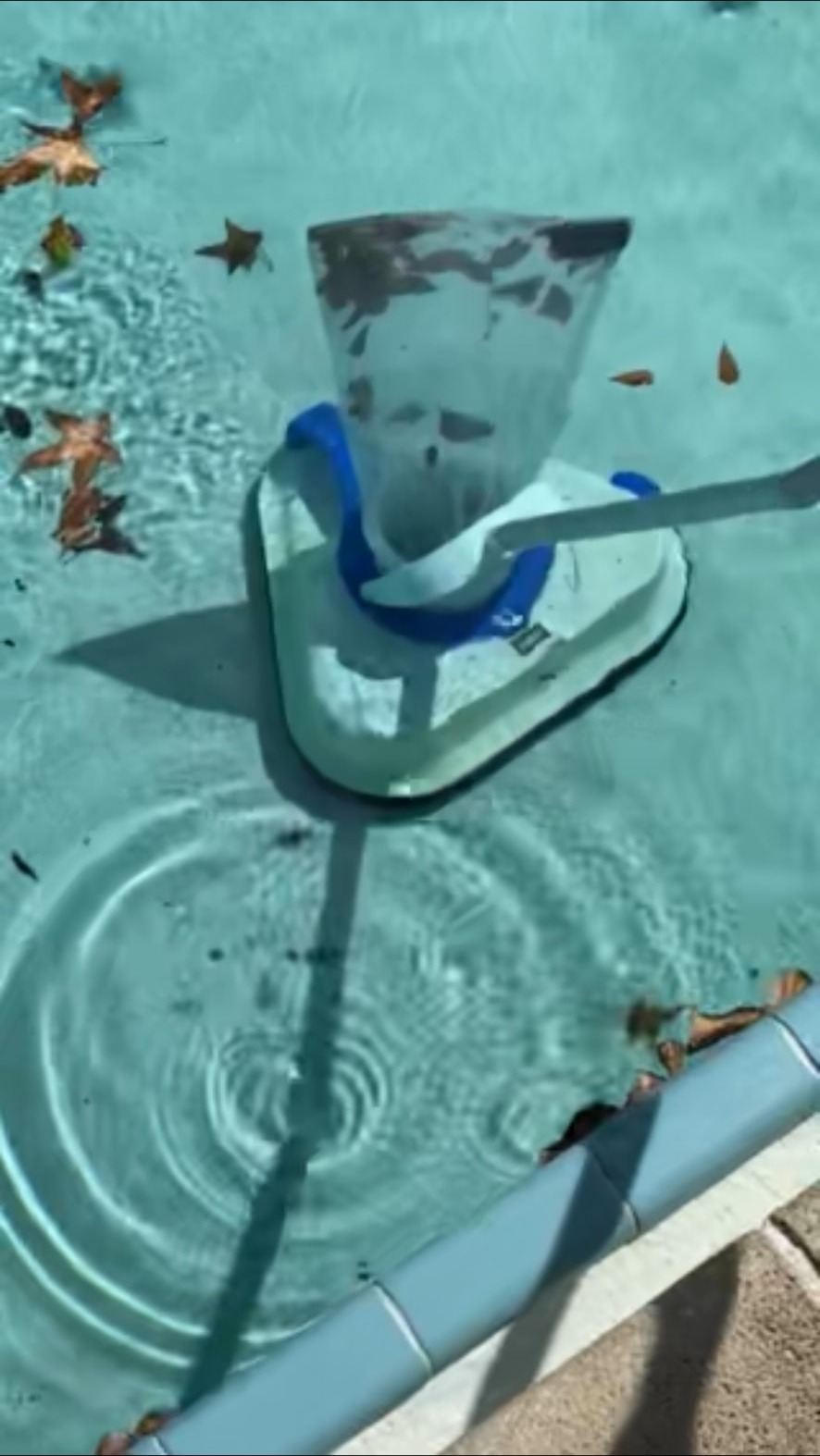
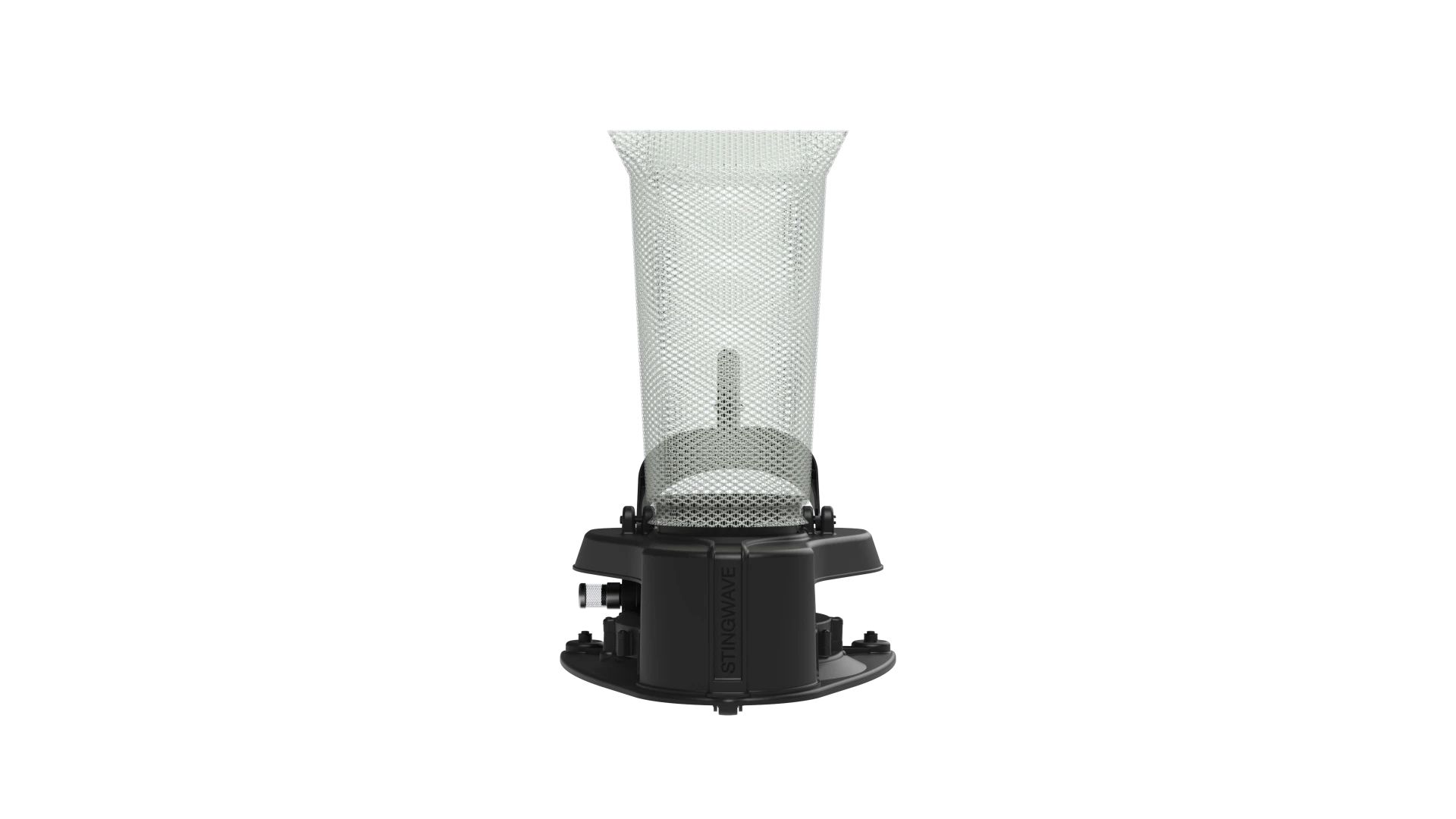
- Debris capture that scales. A tall mesh bag holds bulk leaves plus the finer silt and dirt lifted off the pool floor.
- Efficiency as the design target. Battery runtime only exists if the hydraulics are efficient, which made fluid performance the central engineering problem.
Our solution
CFD Simulation Services: Engineering the Hydraulics to 76% Efficiency
Prototypes: From Test Rigs to Complete Alpha and Beta Units
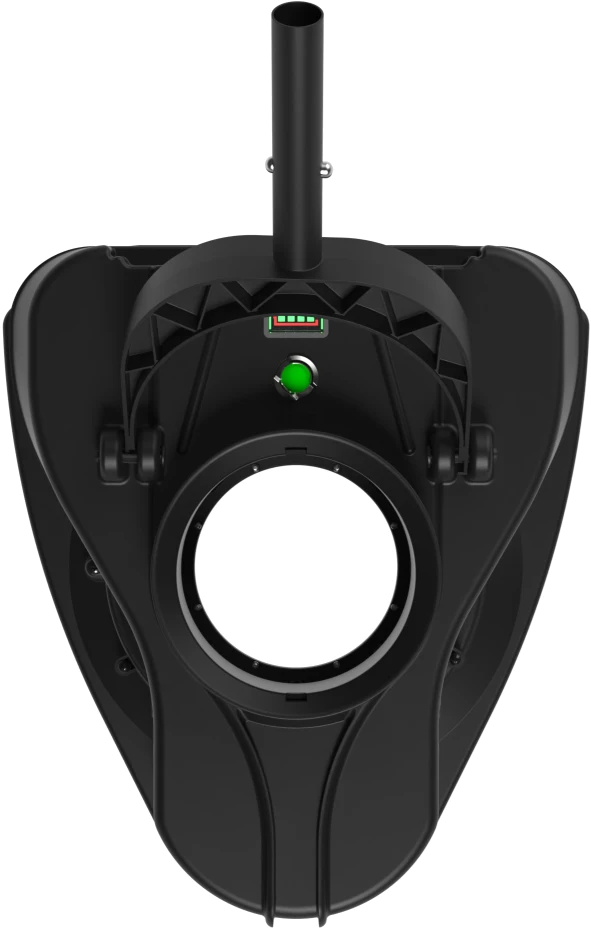
Design for Manufacturing: The Package That Made It Buildable
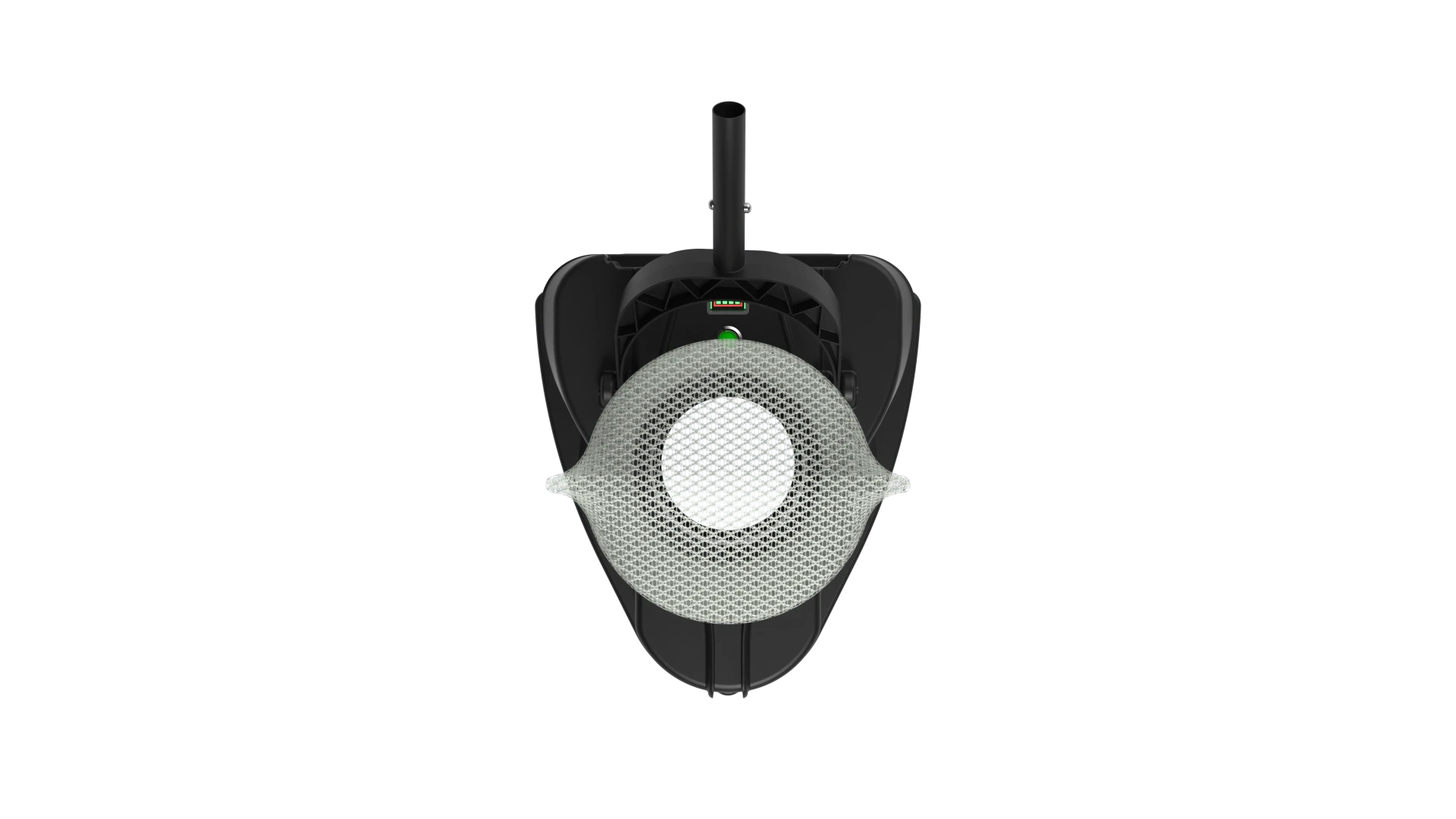
- Complete engineering package. Production CAD, detailed engineering drawings, tolerances, materials and hardware specifications for every part.
- DFM package. Molding-ready geometry and documentation prepared for the plastics manufacturer, with revisions driven by real tooling feedback.
- Assembly documentation. Step-by-step illustrated instructions so units can be built consistently by production staff rather than by their designer.
- Sourcing support. Help identifying and qualifying suppliers for components and materials, including the motor, battery, seals, fasteners and mesh.
- Manufacturer liaison. Direct DFM communication with the molder on part splits, gating, draft and tolerances.
- Troubleshooting. Engineering support as issues surfaced in tooling, assembly and early production runs.
- First-unit build support. Hands-on help assembling the initial production units and correcting what only shows up on a real assembly bench.
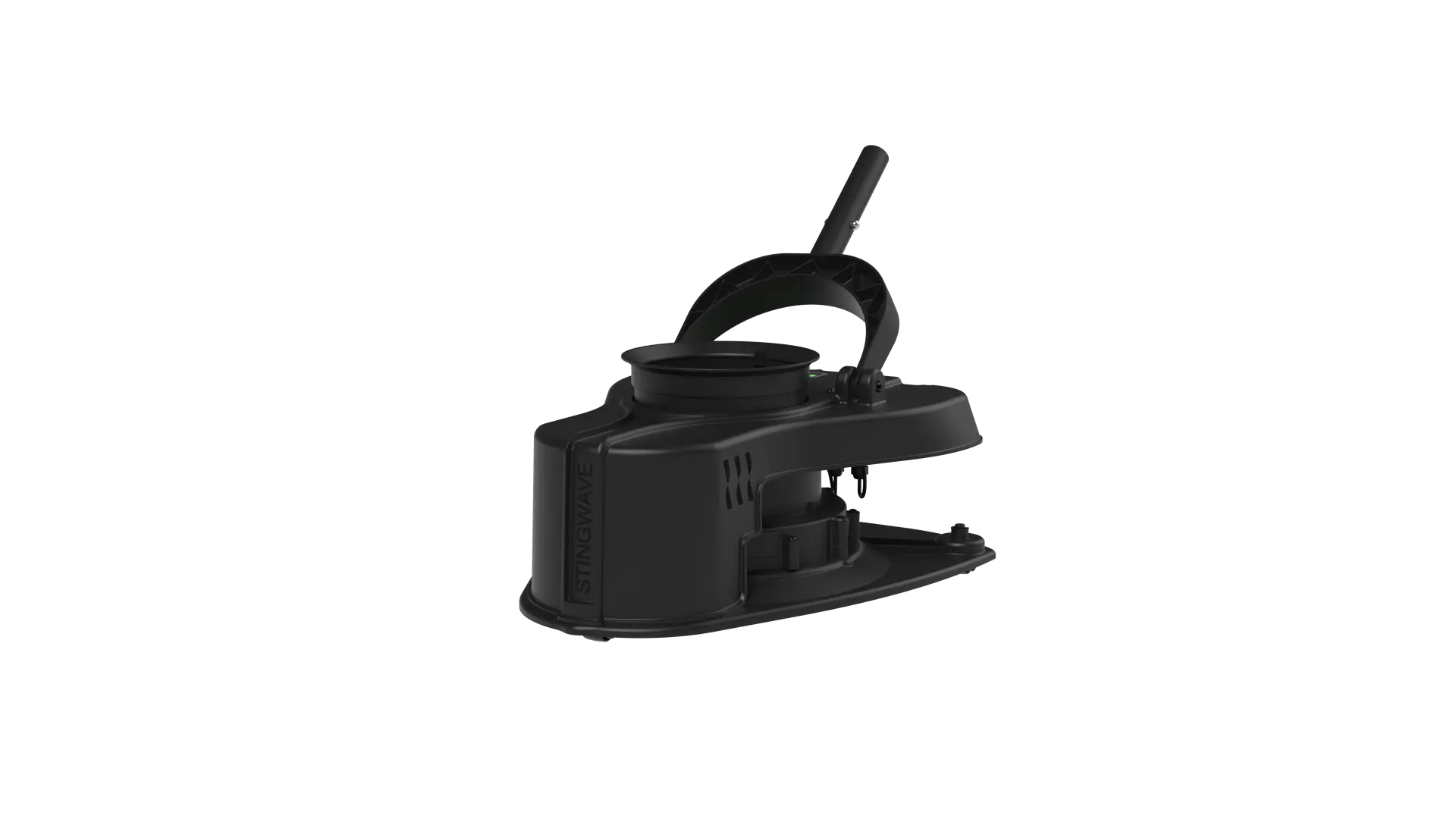
Certification: Preparing for UL
The result
What the Client Received
- Mechanical engineering design of the complete product, from the proof-of-concept rig to production geometry
- Iterative CFD simulation of the jet and intake hydraulics, reaching 76% hydraulic efficiency
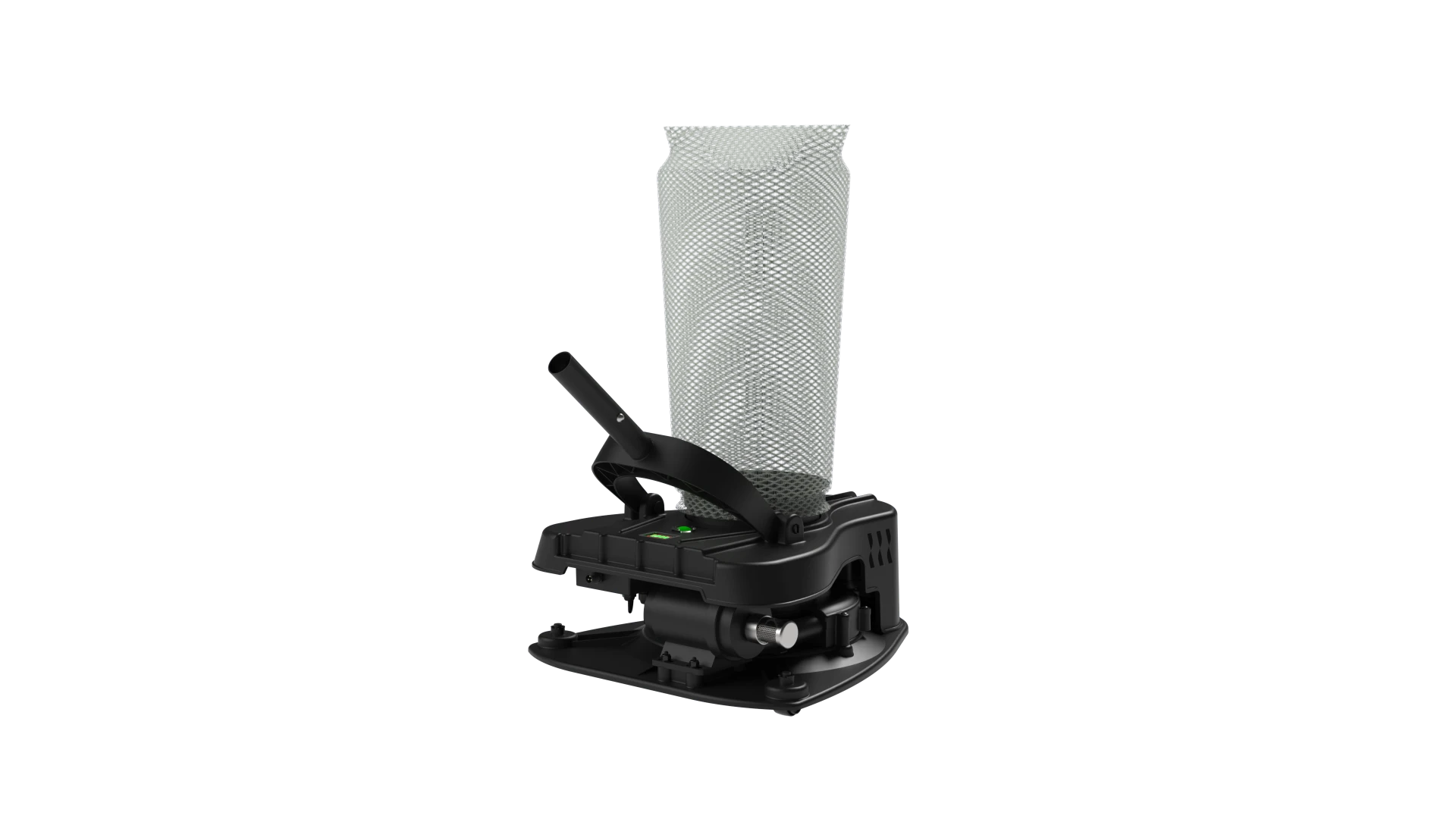
- Multiple test prototypes plus complete alpha and beta functional prototypes
- Full engineering package: production CAD, detailed drawings, tolerances and specifications
- DFM package and direct design-for-manufacturing collaboration with the plastics manufacturer
- Illustrated assembly instructions for production staff
- Component and material sourcing support, troubleshooting and first-unit assembly support
- UL preparation during design, review of the UL report, and support communicating with UL
Capabilities used on this project
Design for manufacturing
Molding-ready geometry, tolerances, production drawings, assembly documentation and DFM review with the tooling vendor.
Rapid prototyping services
3D printing, CNC machining, urethane casting and functional prototype builds with published materials, tolerances and lead times.
How a working prototype becomes a manufactured product
The order the work has to happen in when the concept is proven and the factory is not yet involved.
1. Prove the physics before the plastic
For StingWave the product is its flow path. Jet angle, nozzle area, throat and diffuser geometry were resolved in CFD across successive revisions until hydraulic efficiency reached 76%, because no amount of good molding rescues a housing built around a bad flow path.
2. Build an alpha that can be used, not just shown
A complete functional prototype run in a real pool answers what a bench test cannot: whether the simulated suction survives contact with leaves and silt, whether the battery lasts a job, and whether seals hold submerged.
3. Convert the alpha into production-intent geometry
Draft angles, uniform wall sections, ribs, bosses, part consolidation and split lines get designed for the molding process, not adapted to it afterwards. This is where DFM either saves tooling money or fails to.
4. Build a beta that is the product
Production-intent geometry in production-intent materials, used to shake out assembly sequence, serviceability and certification questions before tooling is cut.
5. Package it so someone else can build it
Detailed drawings, tolerances, material and hardware specs, bills of material and illustrated assembly instructions. A factory builds from documents, not from the designer's memory.
6. Negotiate DFM with the actual molder
Tooling vendors return real constraints on gating, draft and part splits. Those come back into CAD as revisions, with the engineering team in the conversation rather than the client relaying it.
7. Design for certification from the start
For a submerged battery-powered device, UL requirements shape isolation, sealing, materials and markings. Treating them as design inputs, then working the initial UL report into changes, keeps certification from becoming a redesign.
8. Be there for the first units
The first production build always surfaces something. Engineering support on the assembly bench and through early troubleshooting is what closes the gap between a released design and shipped product.
| Hose-fed leaf vacuum | Robotic cleaner | StingWave | |
|---|---|---|---|
| Water added to the pool | Hundreds of gallons per session | None | None |
| Effect on pool chemistry | Dilutes sanitizer, needs re-dosing | None | None |
| Setup | Drag and connect a hose | Place unit, wait out the cycle | Battery pack, drop it in |
| Heavy leaf loads | Workable but slow and wet | Poor — designed for fine debris | The design case |
| Suited to service crews | Slow across a route | Too slow across a route | Built for it |
| Hydraulic efficiency | Typically under 50% | n/a | 76% |
Questions about this project
Straight answers from the engineers who ran the build. Have a different question? Ask us directly.
Talk to an engineerWhy does a hose-free pool vacuum matter?
Hose-fed vacuums use municipal water to drive their jets, so every cleaning session adds hundreds of gallons to the pool. That costs money where water is metered or scarce, and it dilutes the sanitizer and buffering chemistry, forcing the operator to re-dose and rebalance. StingWave recirculates the pool's own water, so nothing is added and the chemistry stays where it was.
What did the CFD simulation actually change?
It set the geometry. Successive CFD runs on the jets, intake throat and diffuser showed where energy was being lost to recirculation and pressure drop, and each revision was reshaped against those results. The final design reached 76% hydraulic efficiency, where comparable devices commonly run below 50% — on a battery product that is the difference between a short demo and a full working day.
What is included in a design for manufacturing package?
Production CAD with molding-ready geometry, detailed engineering drawings with tolerances, material and hardware specifications, bills of material, illustrated assembly instructions, and the DFM documentation the tooling vendor needs. For StingWave we also ran the DFM conversation with the plastics manufacturer directly and revised the CAD against their tooling feedback.
Do you help with UL certification?
We prepare for it. UL requirements are designed in from the start — isolation, sealing, materials, markings and serviceability — and after the initial review we go through the UL report with the client, turn findings into engineering changes, and support the communication with UL through the rest of the process. UL issues the certification; we make sure the product is built to pass.
Can you support production, not just design?
Yes. On StingWave that meant sourcing help for components and materials, troubleshooting issues as they appeared in tooling and early runs, and hands-on support assembling the first production units. Our engineering is done in Ruston, Louisiana, and we stay involved past the design release.
Where is StingWave manufactured?
In the United States. Todd founded Waveform and stood up a manufacturing operation in Baton Rouge, Louisiana, now ISO 9001 certified, where the pool cleaners are assembled.
Industries this project belongs to
See how we approach development in each of these categories, and the other products we have taken from sketch to production there.