Silicone Durometer & Grade Selection: Shore A, Tear Strength and Compression Set
How to choose silicone durometer, tear strength, compression set and grade for medical, food-contact and industrial silicone parts.
September 7, 20262 min read

Written by Konstantin Dolgan, Ph.D., NPDP
Founder & CEO, Product Development Engineer
Published September 7, 2026
Silicone durometer, grade and formulation choices determine whether a part feels right, seals reliably and survives its environment. Picking a material by brand name alone is risky. The same Shore A number can hide very different tear strength, compression set and biocompatibility profiles.
Shore A: what the number means
Shore A measures the resistance of a flexible material to indentation. A 10 Shore A silicone is gel-like and easily deformed. A 70 Shore A silicone is firm, approaching the feel of a rubber shoe sole. Most consumer and medical silicone parts fall between 20 and 60 Shore A.
- 10-20 Shore A: very soft, sealing lips, cushioning pads, wearable interfaces.
- 30-40 Shore A: general-purpose grips, buttons, gaskets, overmolds.
- 50-60 Shore A: structural parts, strain reliefs, stiffer seals.
- 70+ Shore A: high-load gaskets, rollers, impact pads.
Tear strength and elongation
Thin features, snap fits and membranes need high tear strength. Elongation tells you how far the material stretches before failure. A soft skin-contact product may prioritize elongation; a gasket under constant compression may prioritize lower compression set over ultimate stretch.
Compression set
Compression set is the permanent deformation left after a silicone part is squeezed for a long time. Gaskets and seals must recover when pressure is released; if compression set is too high, the seal leaks even though the material is not torn.
Medical, food and industrial grades
Grade | Cure system | Key tests | Typical uses |
|---|---|---|---|
Industrial | Tin or platinum | None special | Gaskets, tooling, consumer seals |
Food-contact | Platinum cure | FDA 21 CFR 177.2600, NSF/ANSI 51 | Kitchen tools, baby products, drinkware |
Medical/implant | Platinum cure | ISO 10993 family, USP Class VI | Skin-contact devices, surgical tools, wearables |
High-temp | Platinum cure | UL ratings as needed | Ovenware, automotive, industrial |
Matching durometer to function
- Skin contact or frequent handling: 20-40 Shore A with biocompatible certification.
- Sealing under bolted flanges: 30-50 Shore A with low compression set.
- Overmold grip on a hard tool: 40-60 Shore A for durability.
- Thin membranes or bellows: high tear strength at low Shore A.
When to test before tooling
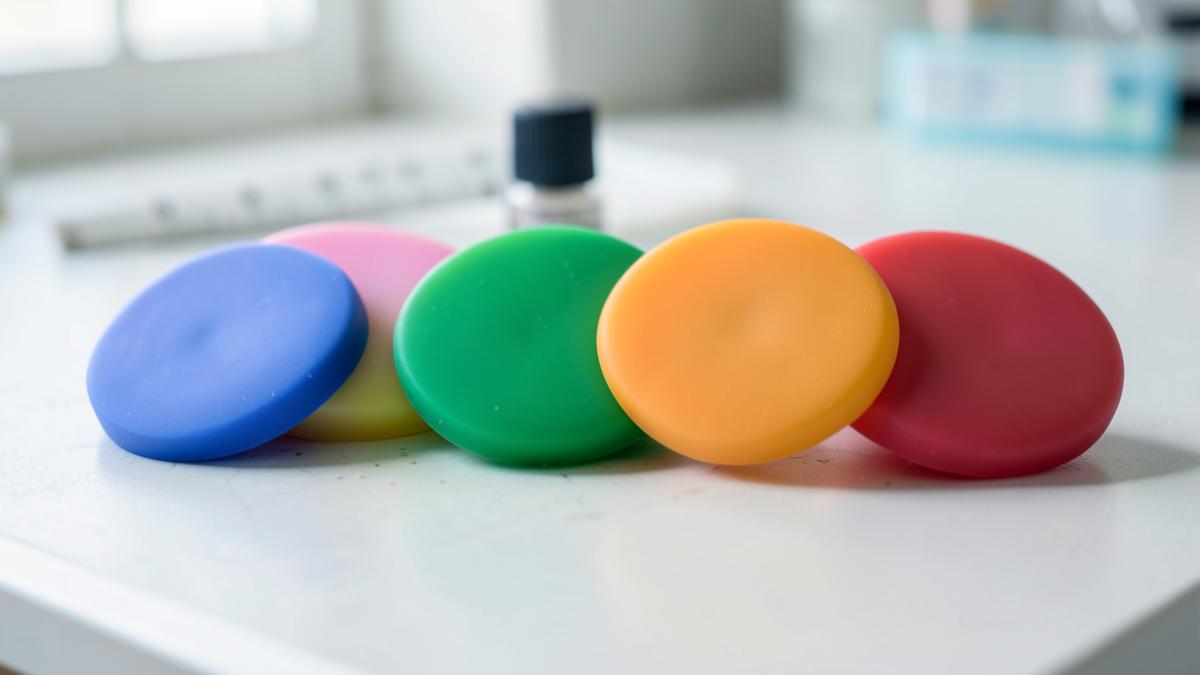
Anytime a part touches skin, food or a sterile field, material testing should be planned before the mold is cut. Changing silicone grade after steel is machined usually means new tooling or at least rework. We typically run small test pucks or RTV coupons to confirm durometer, color match and cure behavior before committing to production tooling.
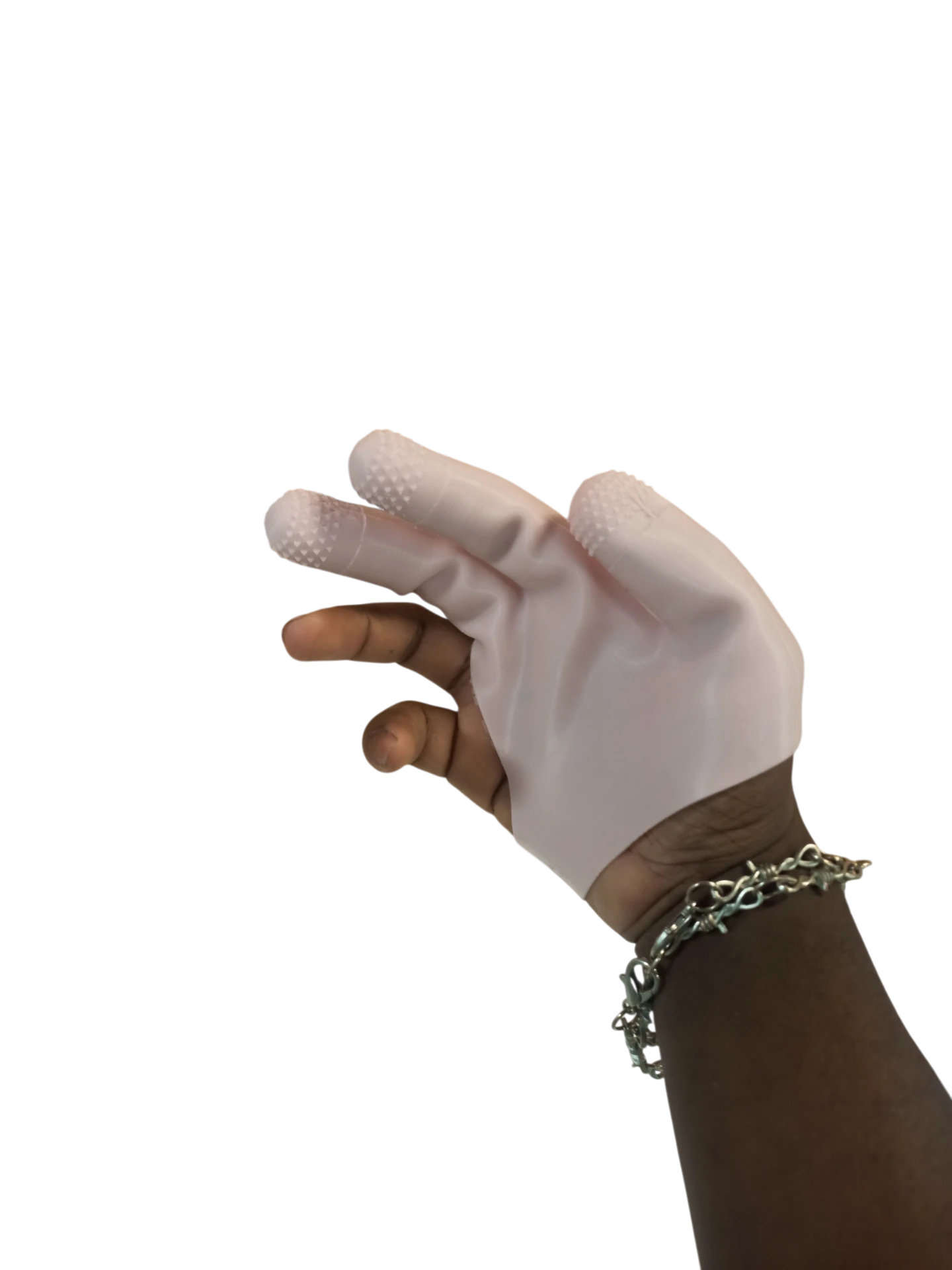
Frequently asked questions
Is higher Shore A always stronger?
Not necessarily. A higher durometer is stiffer but may tear more easily than a lower-durometer, high-tear formulation. Strength depends on the full formulation, not just hardness.
Can the same part use two durometers?
Yes, through multi-shot molding or overmolding. This is common for grips with a firm core and soft outer layer, but it adds mold complexity and validation work.
What is compression set and why does it matter?
Compression set measures how much a material stays squashed after load removal. For seals and gaskets, low compression set is critical because the part must spring back to maintain the seal.
How do I specify color without hurting performance?
Use pigment systems designed for platinum-cure silicones. Excessive pigment loading can affect cure, elongation and surface finish. We validate color swatches on small pucks before production. Related reading See the silicone rubber prototyping and manufacturing overview for process options, medical and food-grade silicone for contact requirements, and the Leia menstrual cup project for a soft silicone product taken through development.
Services related to this guide
- Product design servicesIndustrial design and CAD taken all the way to manufacturable files.
- Rapid prototypingWorking prototypes in days, from 3D printing to vacuum casting.
- Electronic design servicesSchematic, PCB layout, firmware and bring-up, through to production handoff.
- Product development examplesReal projects we designed, prototyped and shipped.