Our work / VTMS+
Protecting Pollinators Through Sustainable Engineering
- Product Design
- Prototyping
- Engineering
- Manufacturing
- Branding
- Marketing

Written by Konstantin Dolgan, Ph.D., NPDP
Founder & CEO, Product Development Engineer
Updated August 31, 2026
Treating varroa destructor mites with controlled heat instead of chemicals means building a system, not a part: mechanical structure, thermal control and electronics have to work together in the field, on live colonies.
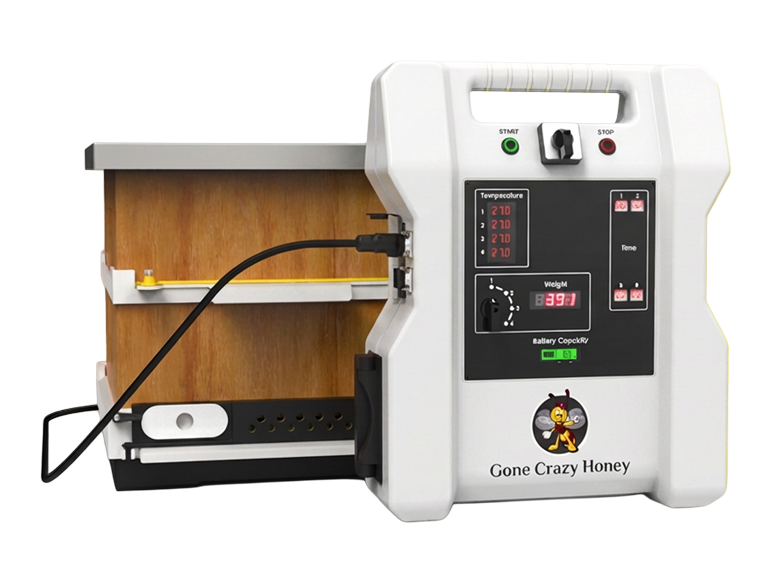
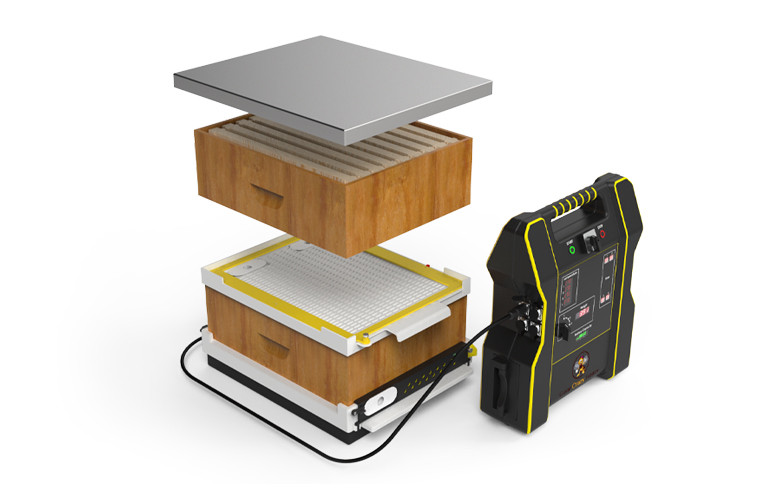
VTMS+ came to us asking for a queen excluder. It ended as a full integrated system that treats up to four hives at once — designed, prototyped, made manufacturable and packaged for market by our team.
Project at a glance
- Client
- VTMS+ — chemical-free varroa mite treatment system
- Category
- Agricultural equipment / sustainable engineering
- Initial request
- Design of a queen excluder to protect the queen during treatment
- Final scope
- Full system architecture across mechanical, thermal and electronic subsystems
- Capability proven
- Controlled thermal treatment of up to four hives simultaneously, portable and safe to operate
- What we delivered
- System architecture, mechanical design, electrical and thermal design, CNC and 3D-printed prototype parts, integrated working prototype, DFM files and BOMs, packaging design, sell sheet and product video
The challenge
The client
Our solution
Designing for manufacturing and scale
Packaging, sales tools and market readiness
Explaining the system through video
Services provided
- 01
System Architecture & Concept Expansion
We began by supporting the design of a single component, the queen excluder. As the project evolved, we expanded the scope to define the full VTMS+ system architecture, determining how mechanical structures, thermal treatment, electronics, and user interaction would work together as a cohesive solution. - 02
Mechanical Design & Engineering
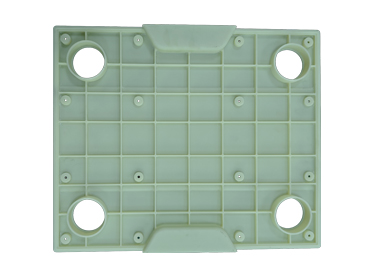
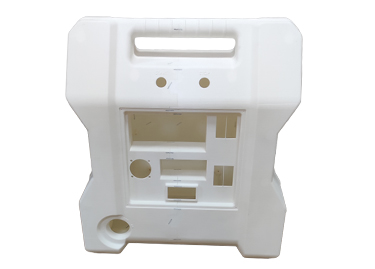
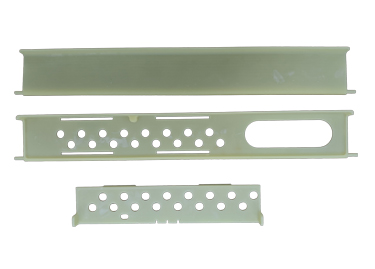
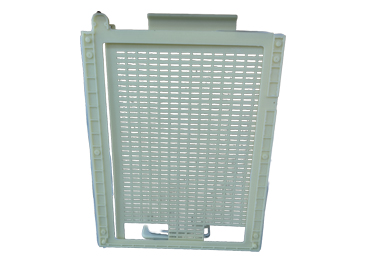
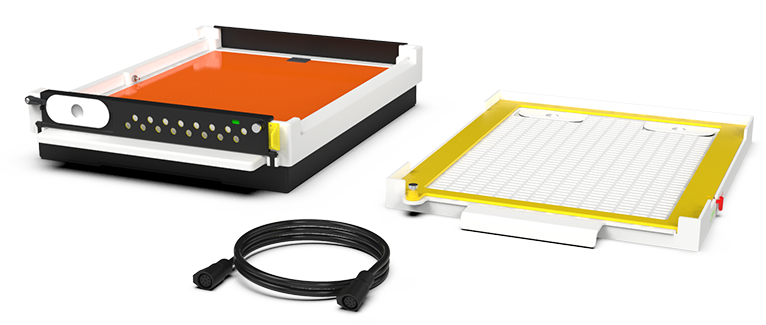
Our team designed all mechanical components required for the system, including structural elements, hive interfaces, housings, and heat-management features. Designs were optimized for durability, outdoor use, and ease of assembly. - 03
Electrical & Thermal System Design
We developed the electronic and thermal control aspects of the system, ensuring precise temperature regulation required to eliminate varroa mites while keeping bees safe. Power management and system safety were key design considerations. - 04
Prototyping & Component Fabrication
We produced multiple iterations of components using CNC machining and 3D printing to validate fit, function, thermal behavior, and assembly. This hands-on prototyping allowed rapid iteration and informed final design decisions. - 05
System Integration & Functional Prototyping
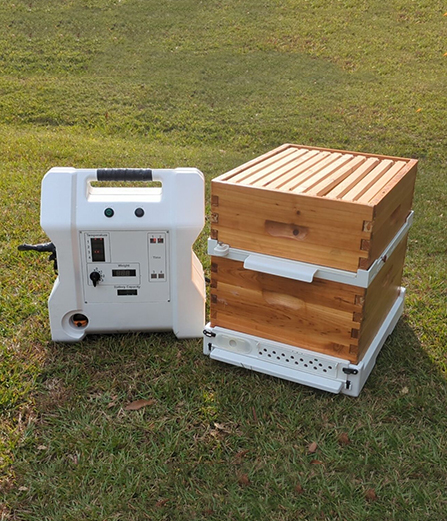
Individual components were assembled into a fully integrated VTMS+ prototype capable of treating up to four hives simultaneously. We validated system operation, portability, and real-world usability. - 06
Design for Manufacturing (DFM)
We prepared the system for manufacturing by refining geometries, reducing part complexity, and selecting cost-effective materials and processes. Complete manufacturing-ready CAD files, drawings, and bills of materials were delivered. - 07
Testing & Field-Readiness Support
We supported testing efforts to ensure the system was ready for beta deployment with real beekeepers. The final design enabled full-scale testing and demonstration to stakeholders. - 08
Packaging Design
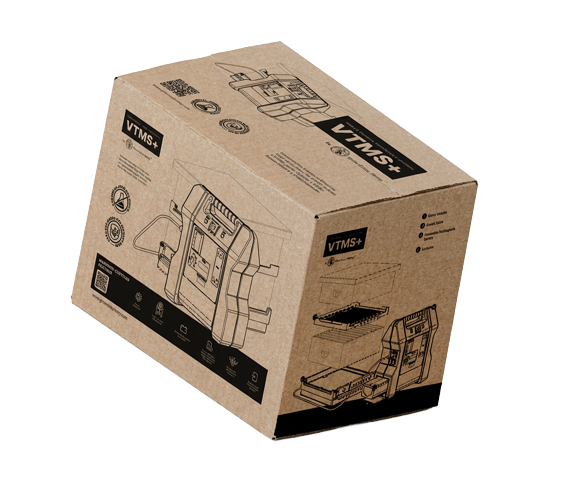
We designed the product packaging, including a professional box rendering, to support commercialization and clearly communicate the system’s value and functionality. - 09
Marketing & Sales Materials
We created key marketing assets, including a sell sheet, product renderings, animations, and visual explanations to support fundraising, outreach, and stakeholder presentations. - 10
Video Production
We produced a product video to demonstrate how VTMS+ works, explain the benefits of thermal treatment, and communicate the system’s impact clearly and visually. - 11
Website & Launch Support
We assisted with website development and content creation to position VTMS+ for market entry and early adoption.
The result
Working with system builders
Capabilities used on this project
Rapid prototyping services
3D printing, CNC machining, urethane casting and functional prototype builds with published materials, tolerances and lead times.
How a component request becomes a manufacturable system
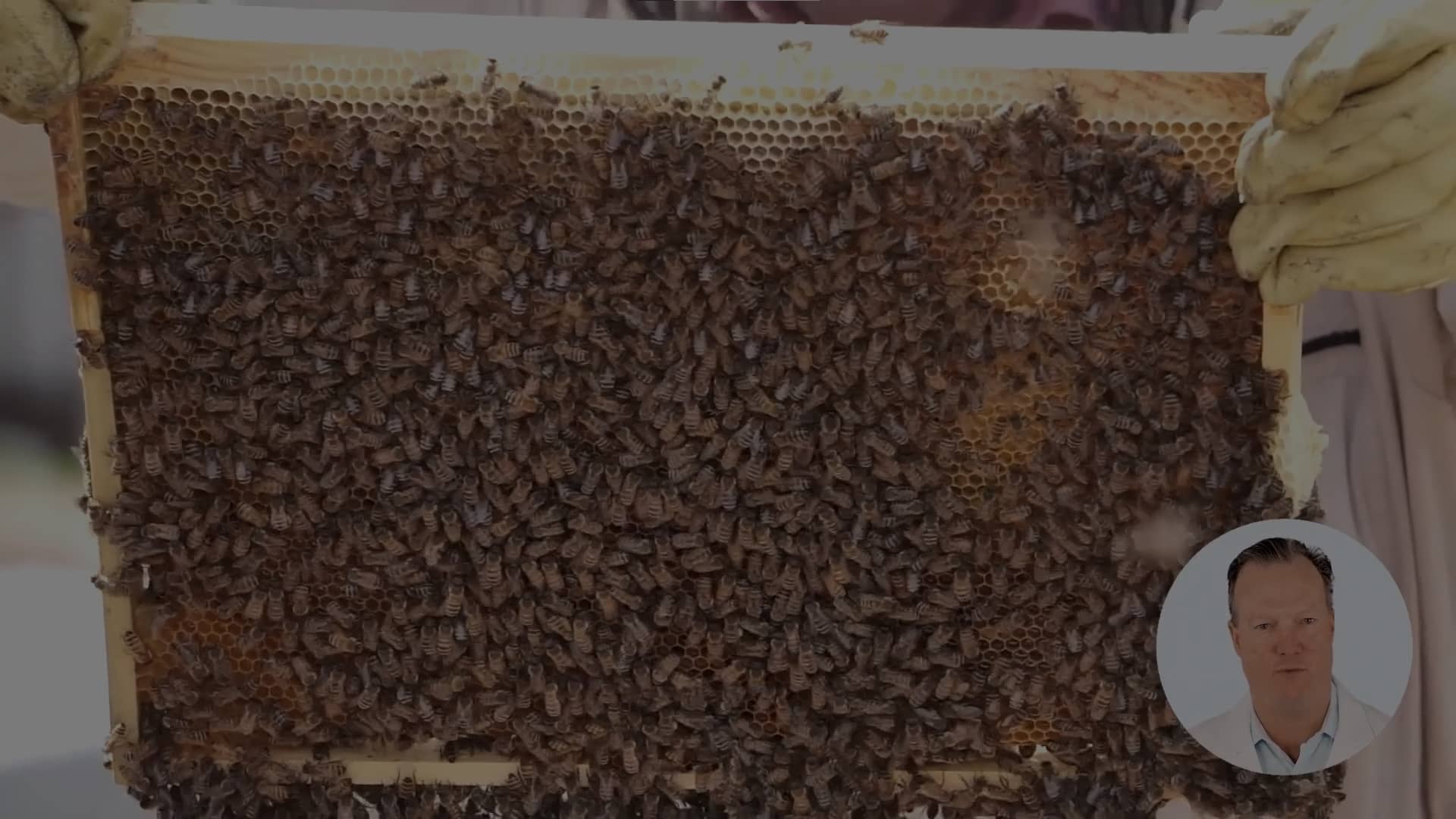
Varroa mites weaken colonies, spread viruses and cut hive survival rates, and the chemical treatments most beekeepers rely on can harm bees, contaminate honey and lose effectiveness over time. That is the bar a thermal system has to clear.
1. Recognize when the scope is really a system
The engagement began with one component — a queen excluder to protect the queen during treatment. It became clear the real requirement was a complete solution, so we moved from component-level design to full system architecture defining how mechanical, thermal and electronic subsystems interact.
2. Design mechanical parts for the outdoors
Structural elements, hive interfaces, housings and heat-management features were designed for durability in outdoor conditions and for easy assembly, because a beekeeper handles this equipment in a field, in a suit, in heat.
3. Treat thermal control as the safety system
Heat that kills mites and heat that harms bees are close together. The electrical and thermal subsystems were developed so treatment is controlled and repeatable rather than approximate.
4. Fabricate real parts to validate assumptions
We produced CNC-machined metal parts and 3D-printed polymer components to validate fit, strength, thermal behavior and assembly logic — iterating rapidly before committing to final materials or processes.
5. Integrate, then prove it in the field
Validated components were assembled into a complete VTMS+ prototype demonstrating controlled thermal treatment, safe operation, portability and simultaneous treatment of up to four hives — the point where the project stopped being renderings and became a working system.
6. Make it manufacturable, then sellable
We delivered complete mechanical and electrical design files, detailed bills of materials and DFM optimizations to cut cost and simplify production, then produced packaging design, a sell sheet and a product video used in fundraising, beta outreach and early customer conversations.
| Factor | Chemical treatment | Thermal treatment (VTMS+) |
|---|---|---|
| Residue | Can contaminate honey and wax | Chemical-free |
| Resistance | Effectiveness declines over time | Mites cannot develop resistance to heat |
| Colony impact | Can stress or harm bees | Depends on precise, controlled temperature |
| Equipment | Low up-front cost, recurring purchases | System purchase, treats up to four hives at once |
Questions about this project
Straight answers from the engineers who ran the build. Have a different question? Ask us directly.
Talk to an engineerWhy does thermal treatment work against varroa mites?
Mites tolerate a narrower temperature band than bees do, so a precisely controlled heat cycle kills mites while the colony survives. The engineering challenge is that 'precisely controlled' is doing all the work — which is why thermal control and sensing drive the whole architecture.
My project started as one part and keeps growing. Is that normal?
It is common and usually healthy — it means the real requirement is coming into focus. The important thing is to formally restate the scope as system architecture rather than continuing to design parts, so subsystem interfaces are decided deliberately instead of accumulating.
Why fabricate CNC and printed parts if the design will be molded later?
Because fit, strength, thermal behavior and assembly logic are cheaper to learn on machined and printed parts than on tooled ones. Once those are validated, the DFM pass converts the design to the right production process with the risk already removed.
Do you help with fundraising and go-to-market materials?
Yes. On VTMS+ the packaging rendering, sell sheet and product video were part of the engagement, and they carried real weight in fundraising discussions and beta testing outreach. A complex system that nobody can explain in two minutes stalls regardless of its engineering.
Industries this project belongs to
See how we approach development in each of these categories, and the other products we have taken from sketch to production there.