Soft tooling vs hard tooling for injection molding prototypes: when aluminum molds make sense, and where AI DFM helps
After a working prototype, the next tooling decision is easy to get wrong: cut a cheaper aluminum (soft) mold, or spend for hardened steel (hard tooling) that lasts for production. Here is how we decide soft tooling vs hard tooling for injection-molded parts, what a soft tool can and cannot prove, a checklist before you order, and where AI DFM checks actually help.
November 8, 20267 min read

Written by Konstantin Dolgan, Ph.D., NPDP
Founder & CEO, Product Development Engineer
Published November 8, 2026
What is soft tooling?
Short answer: Soft tooling is a mold (or die) cut from a softer, faster-to-machine material so you can mold real production-grade plastic sooner, at lower tooling cost, with a shorter tool life.
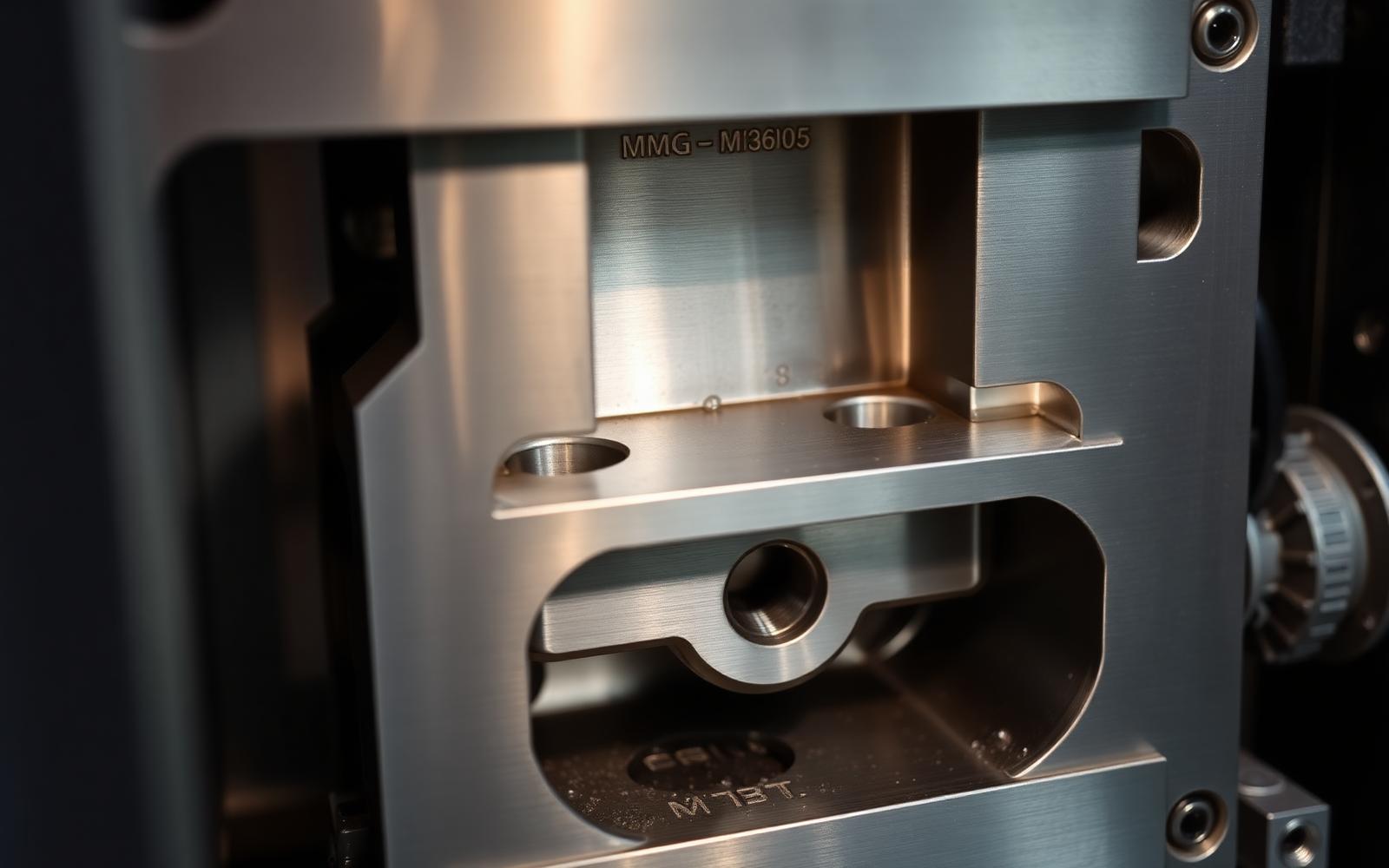
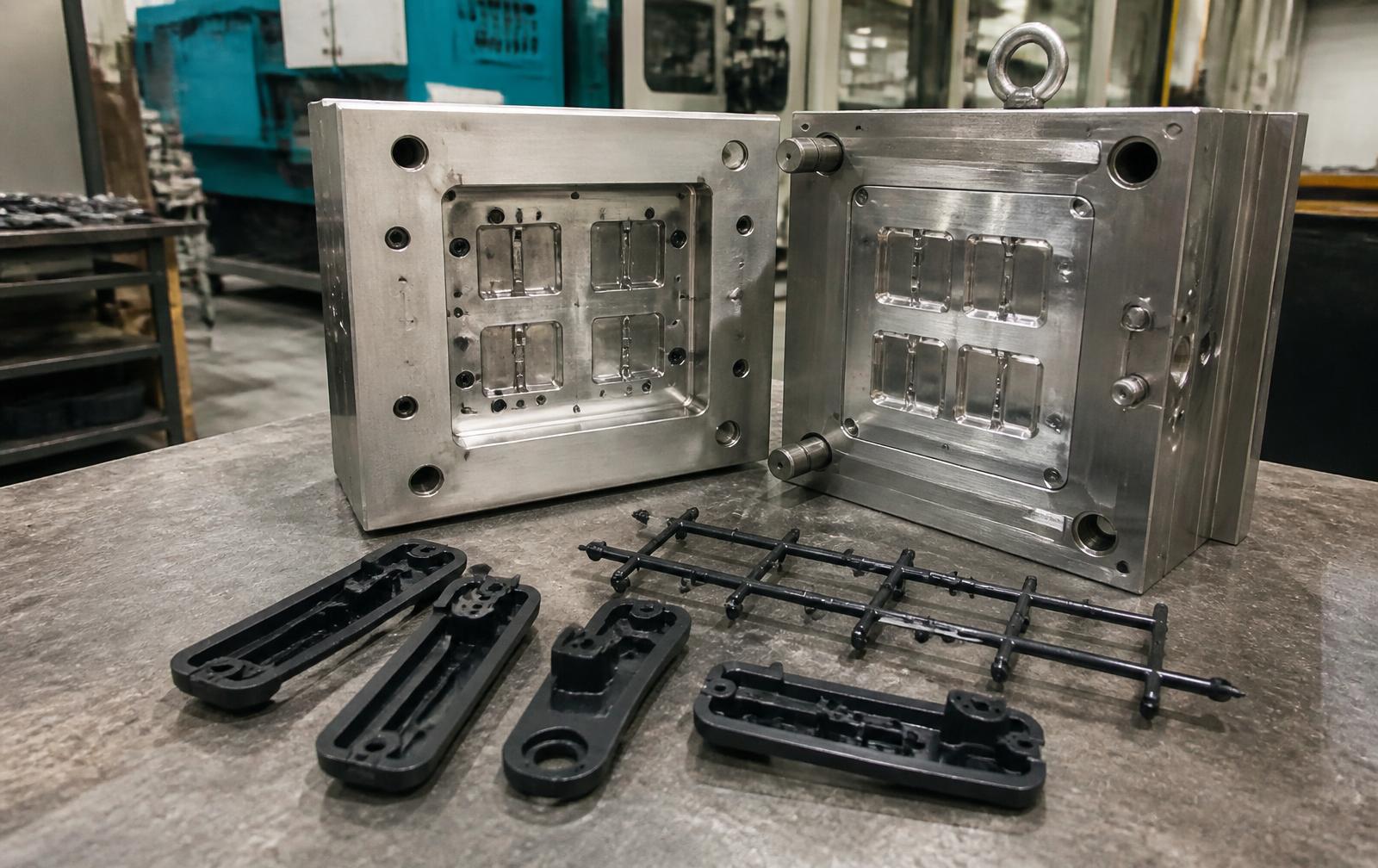
In injection molding, people usually mean an aluminum mold (sometimes called a bridge tool or prototype injection mold) rather than a hardened steel production tool. Soft tooling can also refer to other temporary or low-volume tooling approaches; for most of our plastic-enclosure and molded-part programs, aluminum soft tooling is the option on the table.
Hard tooling is the opposite end of the same spectrum: a mold cut from hardened tool steel, built for longer runs, tighter cosmetic control over time, and resins or fillers that wear aluminum quickly.
Industry explainers describe the same split: soft tooling for lower volume and faster lead time, hard tooling for durability and higher volume (Xometry, Soft Tooling vs. Hard Tooling; Autodesk overview of soft tooling).
Terminology varies: both of those explainers list aluminum among hard tooling materials and use "soft tooling" mainly for materials such as silicone, while many injection molding shops call a limited-life aluminum prototype or bridge mold "soft" compared with hardened steel. Ask your molder which kind of tool and material they are quoting.
Soft tooling vs hard tooling: the comparison that matters for a prototype program
Short answer: choose soft tooling when you need molded parts soon and the design may still change; choose hard tooling when the design is stable and the part count or resin will outlast aluminum.
Question | Soft tooling (typical aluminum) | Hard tooling (hardened steel) |
|---|---|---|
Main job | Bridge from prototype to early production-like parts | Sustained production |
Relative tooling cost | Lower | Higher |
Relative lead time to first parts | Shorter | Longer |
Tool life | Limited (design- and resin-dependent) | High |
Best resins | Many commodity resins; caution with abrasive fillers | Broader, including abrasive and high-volume runs |
Design change cost | Lower to re-cut or modify | Higher |
Cosmetics over long runs | Can drift as the tool wears | More stable when maintained |
When we recommend it | After a design freeze for molding, before full volume commitment | When volume, life, or resin economics justify steel |
A soft tool does not magically make a bad design manufacturable. It only lets you learn on real molded plastic sooner. For cost drivers (cavities, undercuts, steel grade, tolerances), see our page on the economics of tooling. For low-volume part and tool price bands, see low volume injection molding cost.
Where soft tooling sits after a hardware prototype
Short answer: soft tooling belongs after the design is good enough to mold, and before you bet the program on steel.
A typical path we see:
- Concept and early prototypes (prints, machined soft goods, breadboards).
- Functional prototypes that prove the mechanism, electronics, and user experience.
- Engineering design review and a design for manufacturing review aimed at molding.
- Soft tooling (aluminum mold) for real resin parts, fit checks, and limited runs.
- Hard tooling when volume, life, or resin wear demand steel.
- Pilot and production, including the handoffs covered in prototype to production steps and prototype to pilot production.
Soft tooling is the wrong next step if the design still changes weekly, if you only need a few appearance models, or if the part should stay machined or printed. It is the right next step when 3D-printed plastics no longer represent the real material, gate, or shrinkage behavior you care about.
When soft tooling injection molding is enough
Short answer: soft tooling injection molding is enough when you need production-like plastic parts at low or uncertain volume, and the mold life will cover that window.
We treat soft tooling as enough when most of these are true:
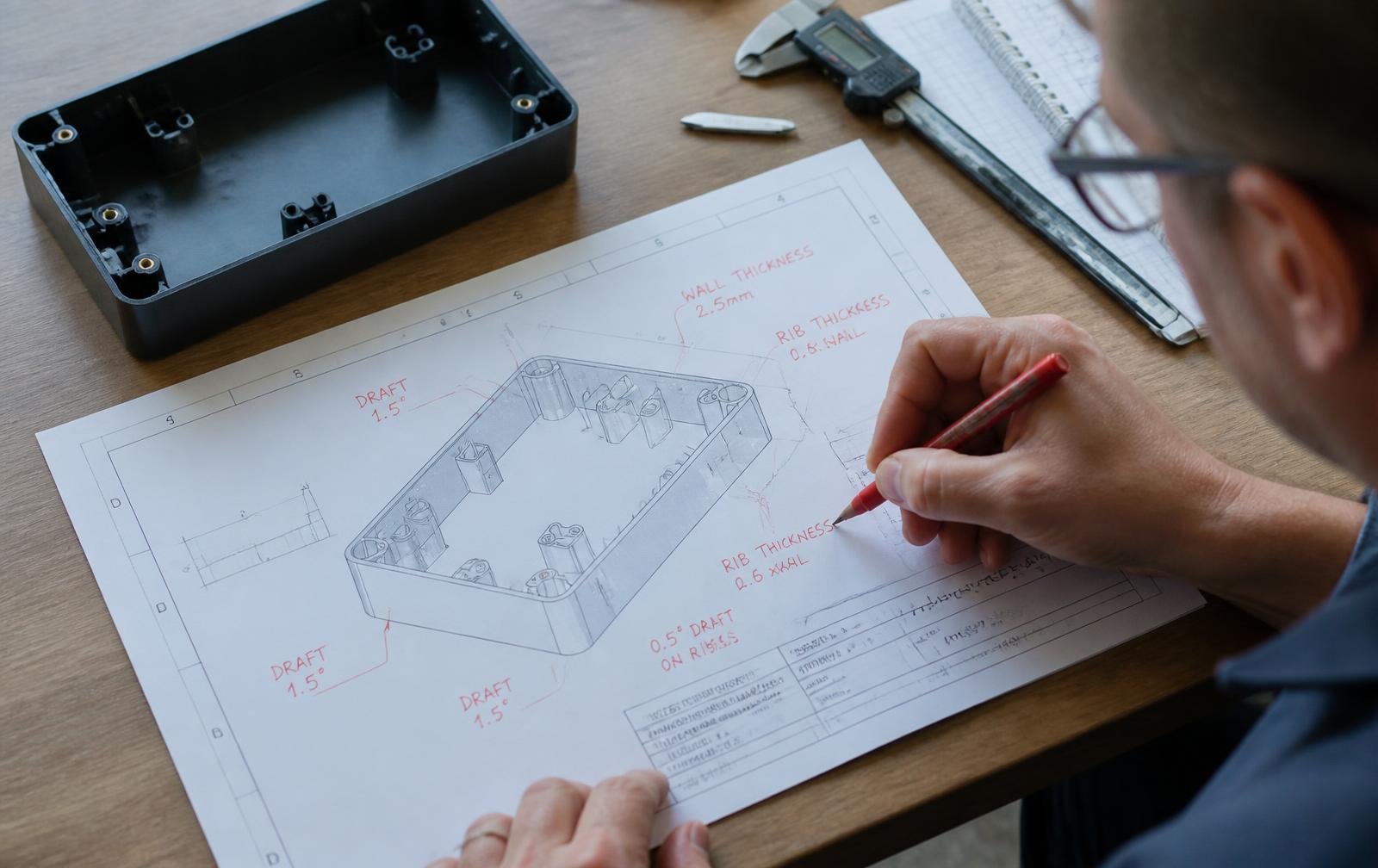
- The CAD is frozen enough for molding (draft, wall thickness, parting line, and critical dimensions agreed).
- You need the real resin (or a close moldable substitute), not a printed stand-in.
- Expected part count fits a short tool life, or you accept re-cutting aluminum if volume grows.
- Cosmetics are acceptable for the channel you are selling into during that window.
- You still want the option to change the design after you learn from molded parts.
Common soft-tool jobs: first molded enclosures for an electronics product, early customer samples, regulatory or reliability builds that need real plastic, and bridge supply while steel is being cut.
When to go straight to hard tooling
Short answer: go to hard tooling when volume, abrasive resin, multi-year life, or cosmetic stability make aluminum the more expensive choice over the life of the product.
Signals we look for:
- Forecast volumes that will outrun a soft tool even with careful process control.
- Glass-filled or otherwise abrasive resins that wear aluminum quickly.
- Tight cosmetic standards that must hold across large lots.
- Multi-cavity production economics that only make sense in steel.
- A design that has already survived soft-tool learning (or equivalent pilots) and is unlikely to change.
Skipping soft tooling can be correct for simple, stable Class A or Class B parts with a clear volume plan. Skipping it to "save a step" on a still-moving Class C or D design usually costs more later.
Checklist: what to finish before you order a soft tool
Use this as a go / no-go gate. If several items are still open, fix the design first.
Design readiness
- Parting line and draft are agreed for every molded face
- Wall thickness is consistent enough for the resin (avoid sudden thick-to-thin jumps that invite sink)
- Undercuts are eliminated or planned with slides / lifters you are willing to pay for
- Bosses, ribs, and snaps follow your DFM rules for the chosen resin
- Critical-to-function dimensions are toleranced for molded plastic, not for machined metal
- Cosmetic faces, textures, and gate vestige locations are marked
Program readiness
- Resin (or short list) selected, including fillers and color
- Expected soft-tool volume and a plan if demand exceeds tool life
- Assembly and test plan for the molded parts (fixtures, test fixture design if needed)
- Failure modes that molding could introduce reviewed (DFMEA for prototypes is useful here)
- Budget and schedule include first-article checks on the molded parts, not only on the tool
Customer inputs we ask for
- Native CAD plus a STEP
- Material callouts and any UL / flammability / food-contact needs
- Known keep-out zones for electronics, seals, and labels
- Target annual volume (even a rough band)
- Must-have cosmetics vs can-accept marks
Where AI DFM helps before you cut soft or hard tooling
Short answer: automated DFM checks, increasingly AI-assisted, are useful for a fast first pass on draft, walls, undercuts, and sink risk. They are not a substitute for tooling engineering or a full mold-flow study on critical parts.
What we find useful today:
- Geometry DFM screens: automated checks for draft direction, thin walls, sharp inside corners, and obvious undercuts before a human tooling review. Many of these checks are rule-based geometry analysis rather than AI; AI-assisted tools can help speed up the first pass and summarize findings. Same spirit as the AI assists we discuss in AI tools for hardware prototyping and engineering design review, applied specifically as a tooling gate.
- Mold-flow simulation: where available, filling, weld line, and sink predictions for the candidate resin. This is engineering simulation, not AI by itself; AI can help organize the inputs and summarize results. Treat results as hypotheses to confirm with the molder, especially on appearance parts. "Moldflow analysis" as a search topic is the industry shorthand for this class of simulation.
- Checklist and change-log drafting: AI can turn a review into a structured punch list and help keep soft-tool revision notes clean. Humans still own the accept / reject calls.
What we do not trust AI to decide alone:
- Final steel vs aluminum choice for abrasive or regulated parts
- Cavitation and cold-runner vs hot-runner economics
- Cosmetic acceptance for a brand-facing surface
- Any claim that "the AI said the tool will last N shots" without process data
If AI flags a problem, fix or escalate it before money hits the tool shop. If AI says the part looks fine, still run a human DFM pass.
How this fits LA NPDT's process
We treat soft tooling vs hard tooling as a Stage-gated manufacturing decision inside a full product program, not as a one-off shopping cart choice.
- Stage 1 Review/Analysis + Plan is a fixed $800 single payment. That is where we map whether your next physical step should stay in prototype processes, move to soft tooling, or wait for more design freeze work. Details: Stage 1 / product discovery.
- Later stages follow the complexity classes and ranges on our homepage costs section and process map. We do not invent tooling prices in this article; use the linked cost pages for molding economics.
- Soft brand note: if you want a second set of eyes on whether aluminum soft tooling is the right bridge for your part, you can book a free 20-minute call: Calendly: lanpdt initial consultation.
Deciding between soft tooling and hard tooling?
If you want a second set of eyes on whether soft tooling or hard tooling is the right next step for your molded parts, book a free 20-minute call. Stage 1 Review/Analysis + Plan remains a fixed $800 single payment. Phone: +1 318-200-0526.
Sources
Frequently asked questions
What is soft tooling?
Soft tooling is a mold made from a softer, faster-to-machine material (commonly aluminum) so you can injection-mold real plastic parts at lower tooling cost and shorter lead time than hardened steel, with a shorter tool life.
What is the difference between soft tooling and hard tooling?
Soft tooling prioritizes speed and lower tooling cost for limited life; hard tooling prioritizes durability and long production life. The trade is up-front cost and lead time versus how many good parts the mold will produce before it wears out or needs major repair.
Is soft tooling the same as a prototype injection mold?
Often yes in practice. Many teams use "soft tooling," "aluminum tooling," "bridge tooling," and "prototype injection mold" for the same idea: a limited-life mold that produces production-like plastic before full steel.
When should I skip soft tooling and go to hard tooling?
Skip soft tooling when the design is stable, volumes or resin wear will outrun aluminum, and the life-cycle cost of steel is clearly better. Do not skip it just to feel faster if the design is still changing.
Can AI replace a DFM or mold-flow review before tooling?
No. AI-assisted DFM tools can be a fast screen for common geometry issues. Critical appearance parts, abrasive resins, and multi-cavity tools still need experienced tooling review and, when appropriate, proper simulation sign-off.
Does Stage 1 include cutting a soft tool?
No. Stage 1 is the Review/Analysis + Plan for a fixed $800 single payment. Soft tooling, if warranted, is planned as later work after the design is ready.
Tagged:AIManufacturingPrototyping
Services related to this guide
- Best product development companiesHow the leading US firms compare, and which one fits your stage and budget.
- Best product design companiesDesign studios compared by scope, industry and what they hand off.
- Product engineering companiesEngineering firms for physical products compared by discipline, rigor and budget.
- Consultant vs firm vs freelancerWhat each option costs, what it delivers and where to find them.