
Licensed to a manufacturer
Outdoor Gear Design: Fall Arrest Hunter Safety Device
- INDUSTRIAL DESIGN
- MECHANICAL ENGINEERING
- MECHANISM DESIGN
- PROTOTYPING
- TESTING & VALIDATION
- DESIGN FOR MANUFACTURING
- LICENSING SUPPORT

Written by Konstantin Dolgan, Ph.D., NPDP
Founder & CEO, Product Development Engineer
Published August 30, 2026
Outdoor gear design is product design for equipment used in the field — cold, wet, dark, carried on a person and operated without a bench or a manual. It combines industrial design, mechanical engineering and hard field testing, because the environment, not the spec sheet, decides whether the product works.
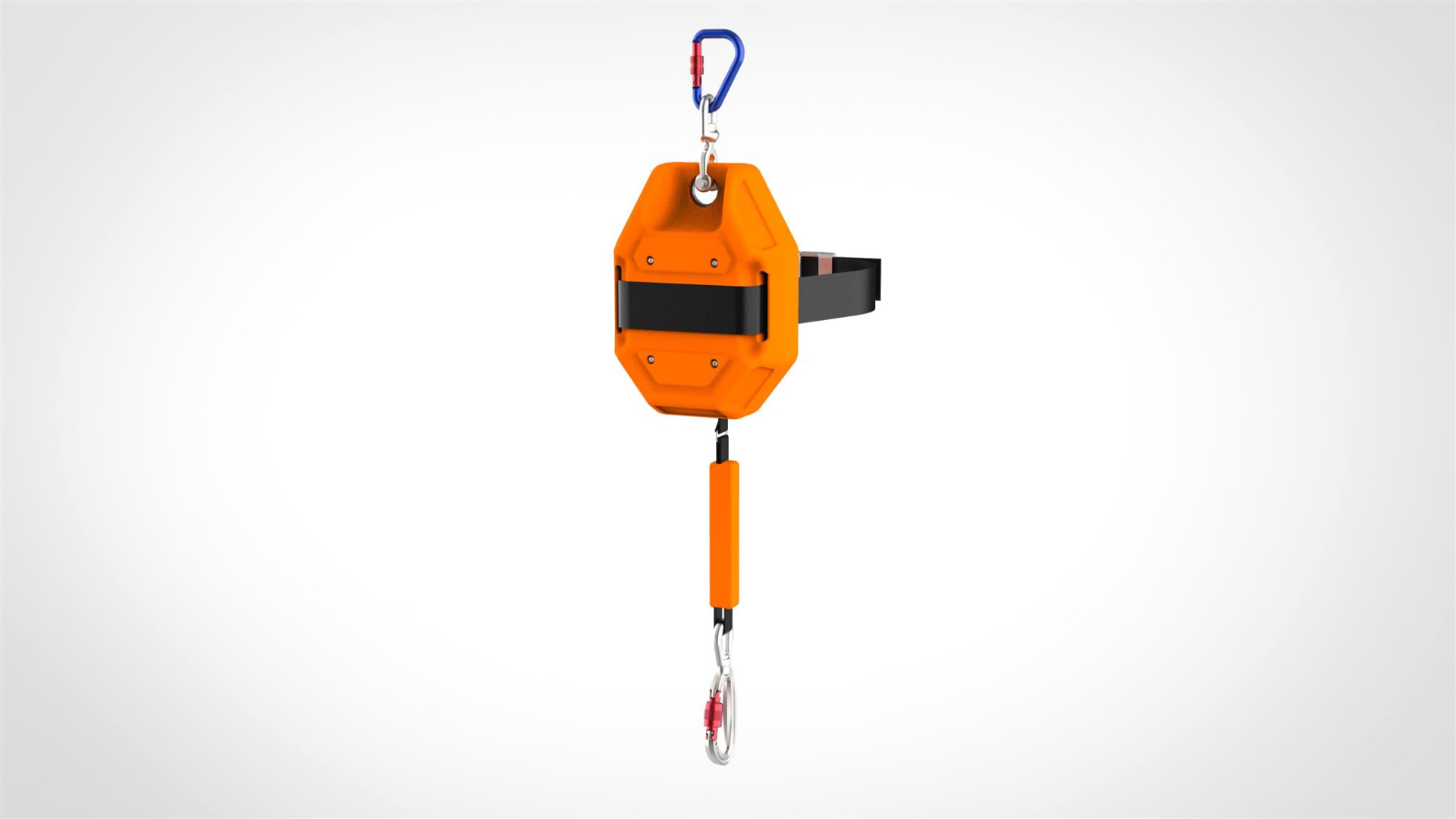
Fall Arrest, by McMaster Outdoors, is a personal fall arrest device for hunters in tree stands. LA NPDT took it from James McMaster's idea through design, centrifugal brake engineering, multiple tested prototypes and design for manufacturing — and the finished product was licensed to an established manufacturer.
Project at a glance
- Client
- James McMaster, CEO of McMaster Outdoors
- Product
- Fall Arrest — personal fall arrest device for hunters in tree stands
- Scope
- Concept and industrial design, mechanical engineering, centrifugal brake design, prototypes, testing, design for manufacturing
- Starting point
- An idea with no drawings, models or prototypes
- Key mechanism
- Centrifugal brake — free line at climbing speed, locking under fall speed, with an energy-absorbing lanyard
- Outcome
- Manufacturing-ready design licensed to an established manufacturer
What the client said
★★★★★
“Great and easy to work with. They allow you to turn your vision and design into reality. My prototype came out great even after I pivoted on the design a few times during the process!”
 James McMasterCEO, Fall ArrestGoogle review
A tree stand fall arrest device taken from a hunter's idea to a manufacturing-ready product that was licensed to an established manufacturer.
The client
The challenge
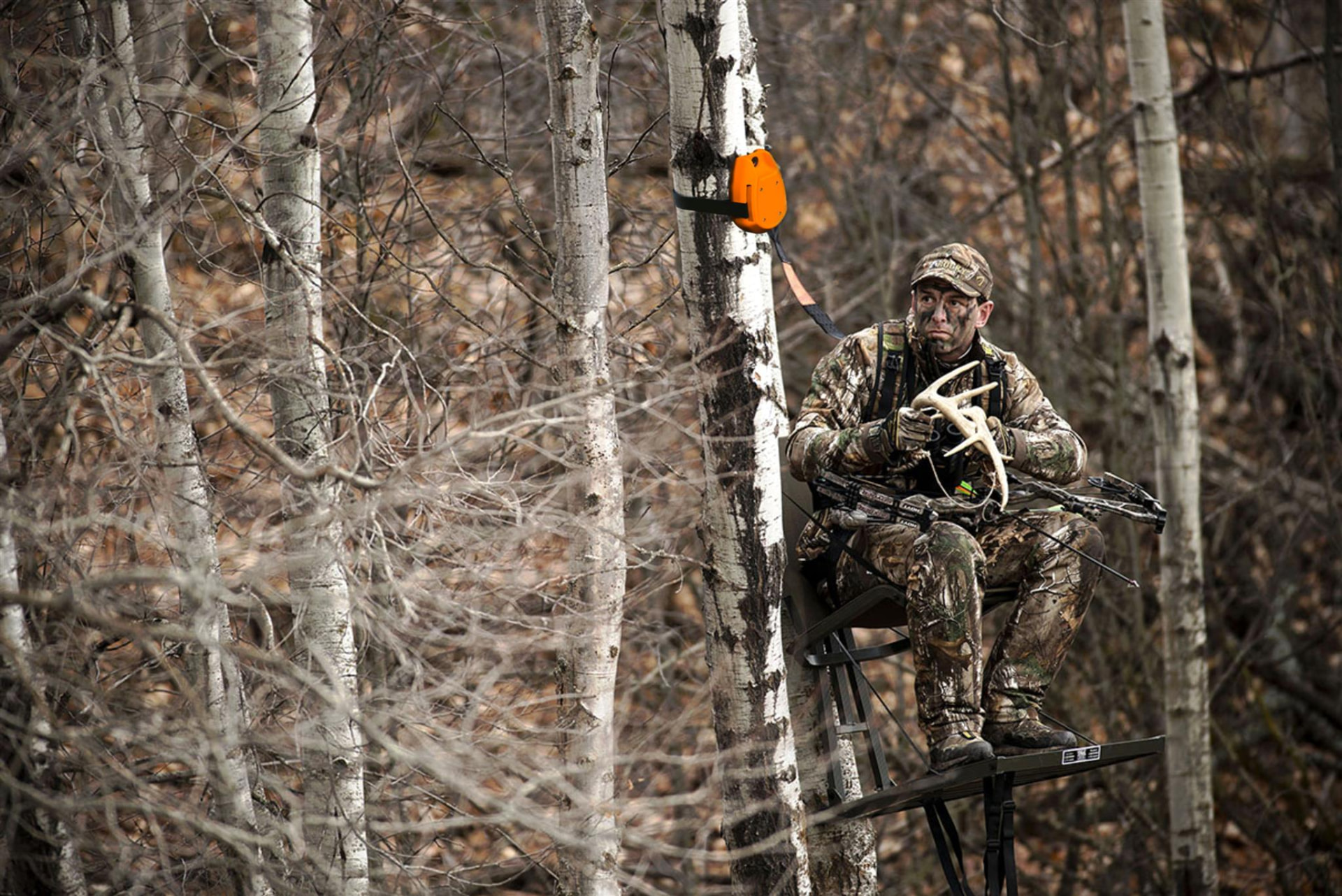
- The anchor is a tree, not structural steel. The device had to clamp and strap to an irregular, moving, growing trunk and stay put across a season.
- It is carried, not installed. Weight and bulk are budgeted against what a hunter will actually pack in before dawn along with a bow, a stand and a pack.
- It is used one-handed, in the dark. Attaching, paying out and detaching had to work by feel, with gloves on, without reading anything.
- The field is not a job site. Cold, rain, mud, sap and a full off-season in a garage all had to be survivable.
- It has to stay quiet. Anything that clicks, rattles or shines costs a hunter the animal, which means the device does not get used.
Our solution
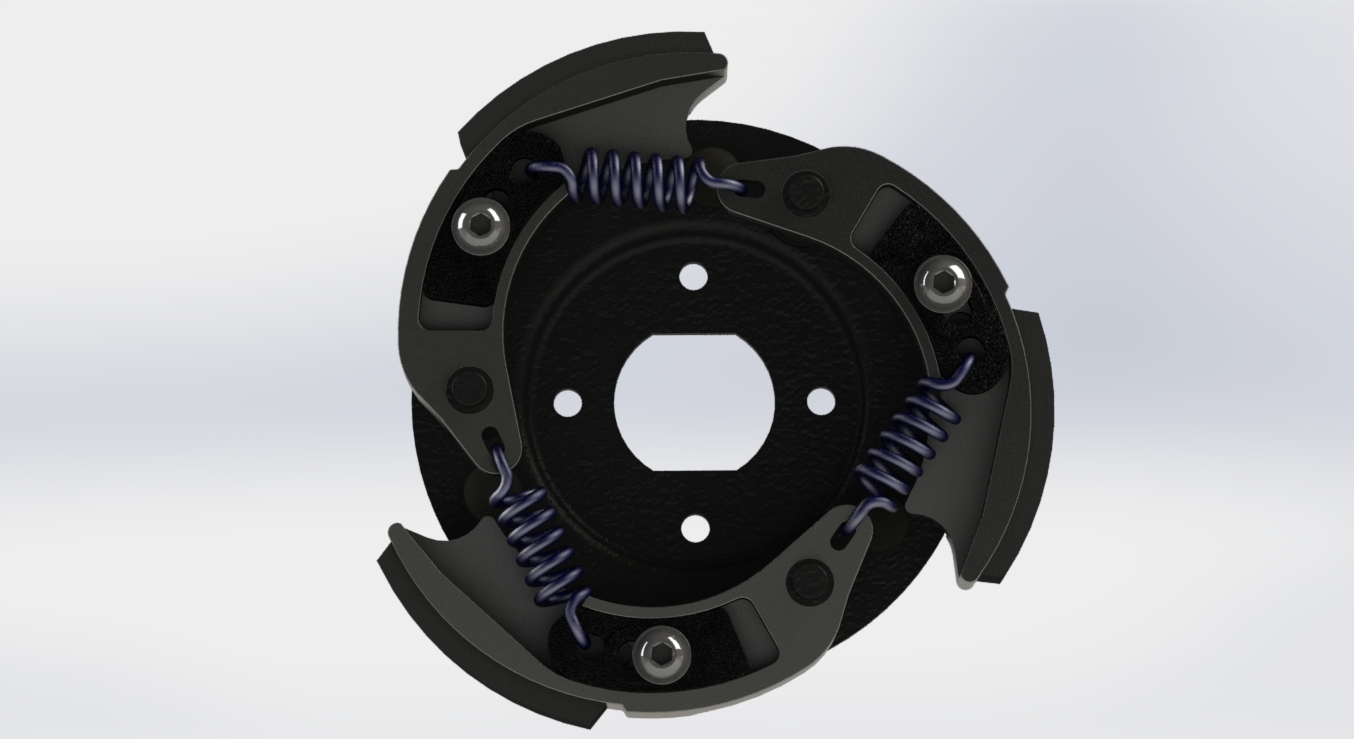
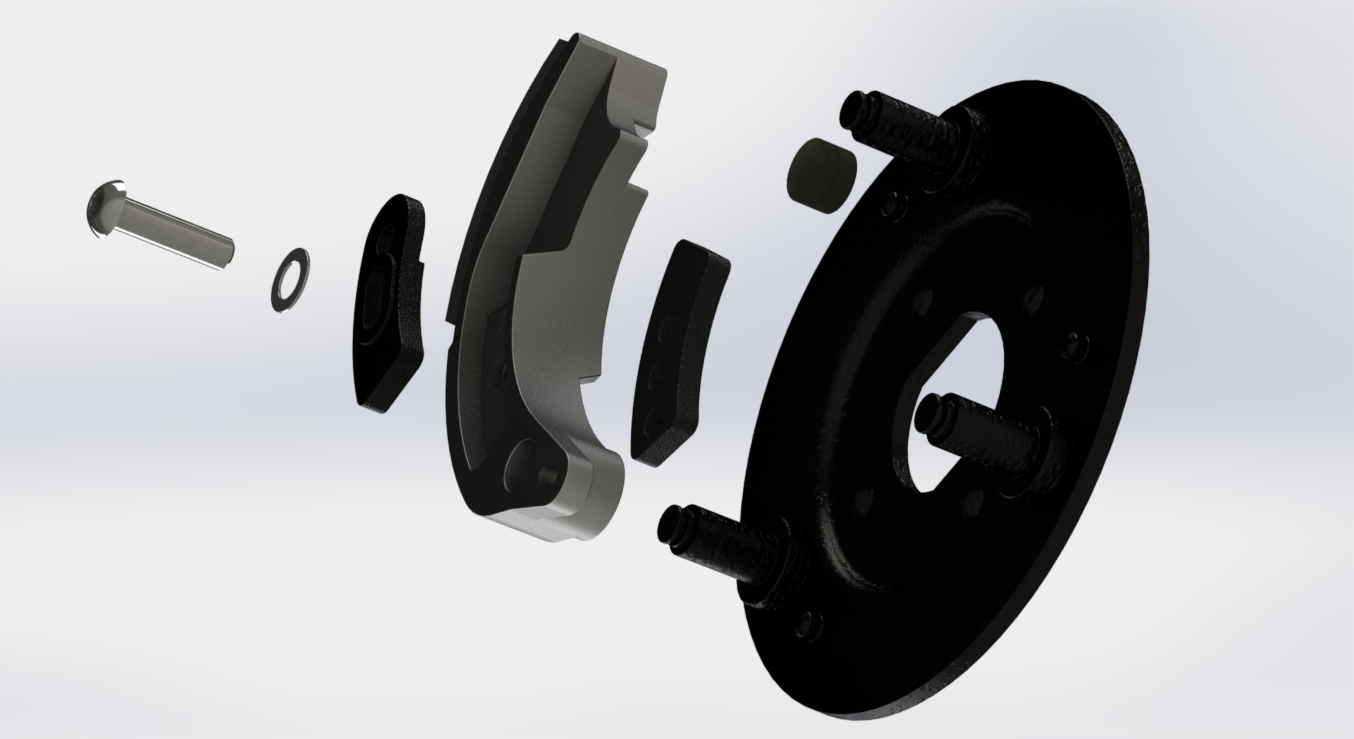
Engineering the Braking Mechanism
Prototypes, Testing and Design Pivots
From Working Prototype to a Product a Manufacturer Would Take
The result
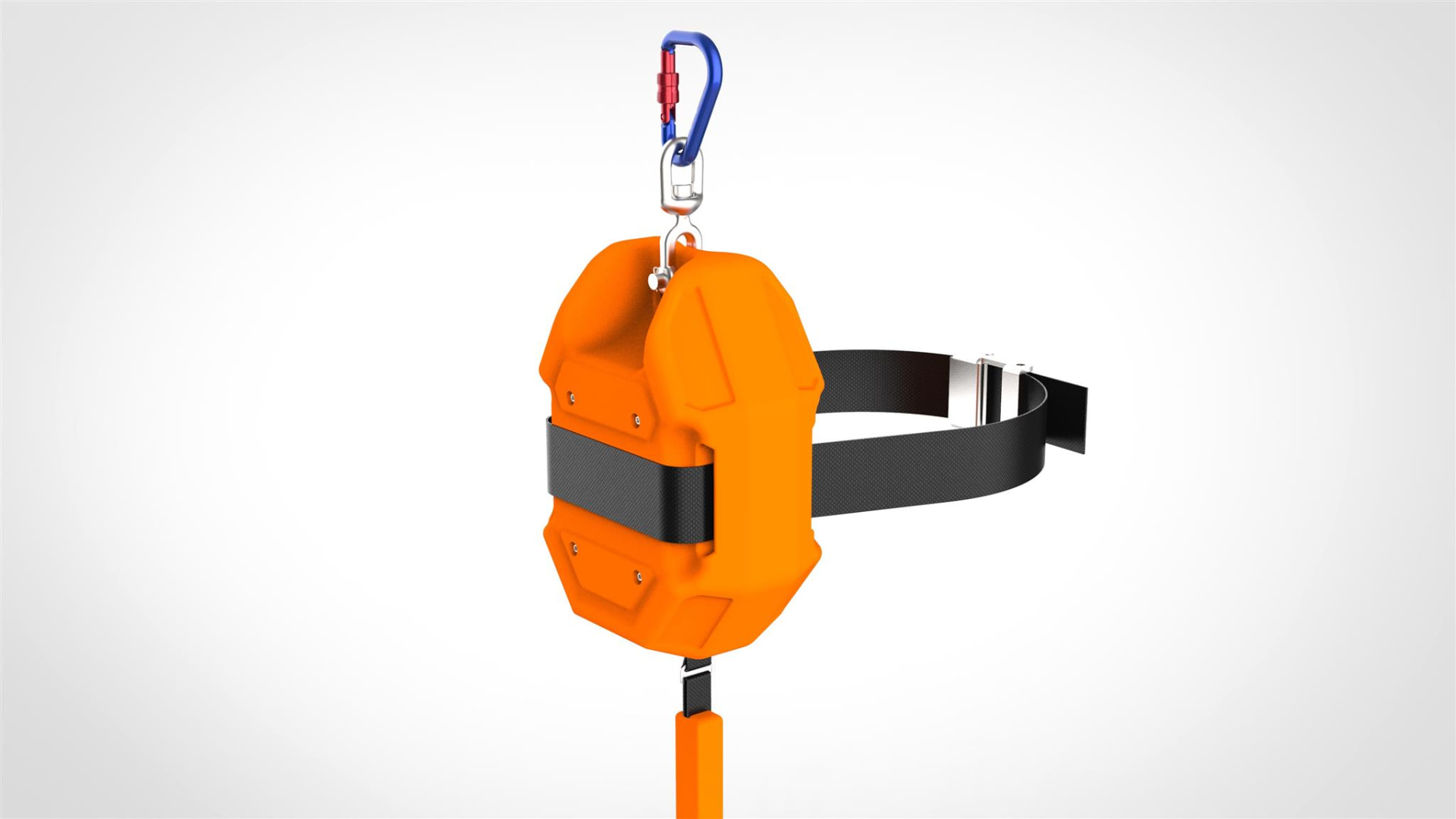
- Industrial design and CAD. Housing, strap routing and control geometry, modelled and rendered for review and marketing.
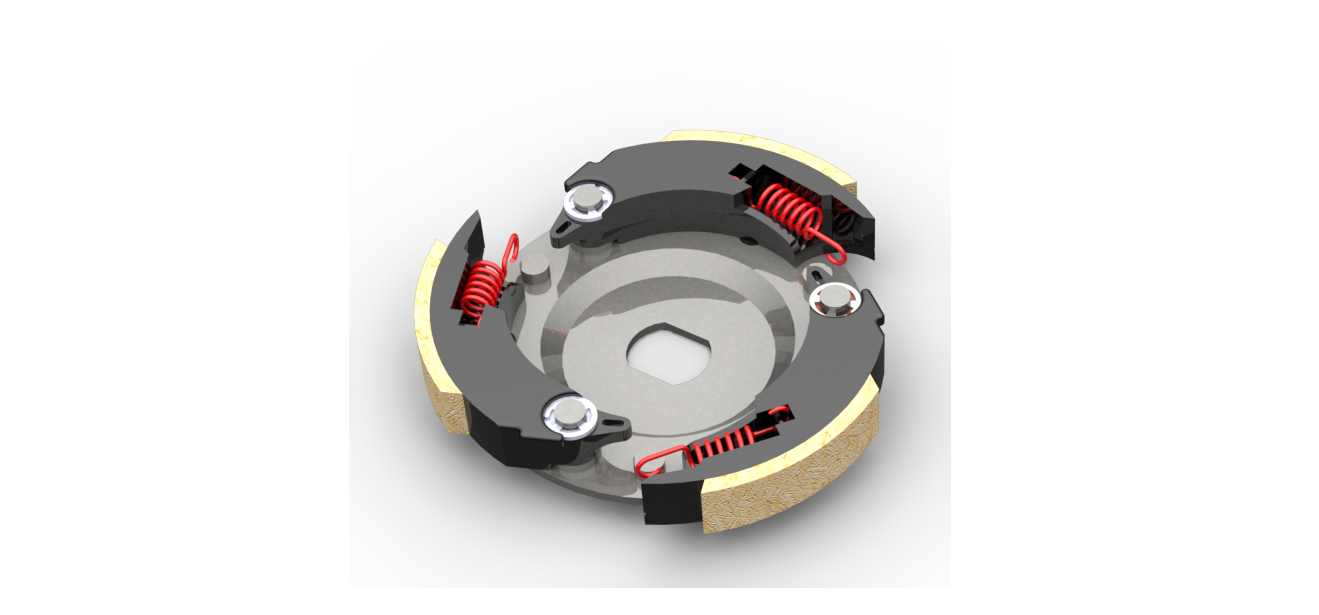
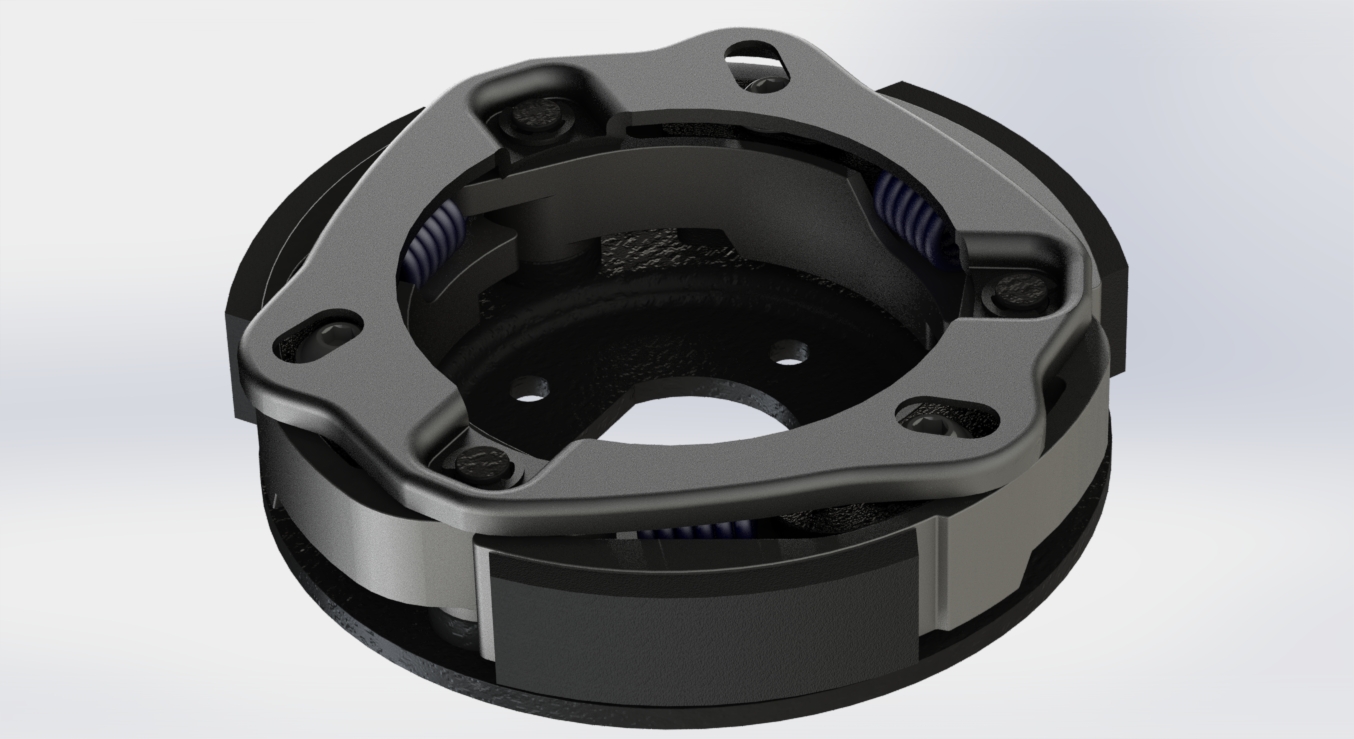
- Mechanism engineering. Centrifugal brake sized to an engagement threshold, with an energy-absorbing lanyard for a survivable arrest.
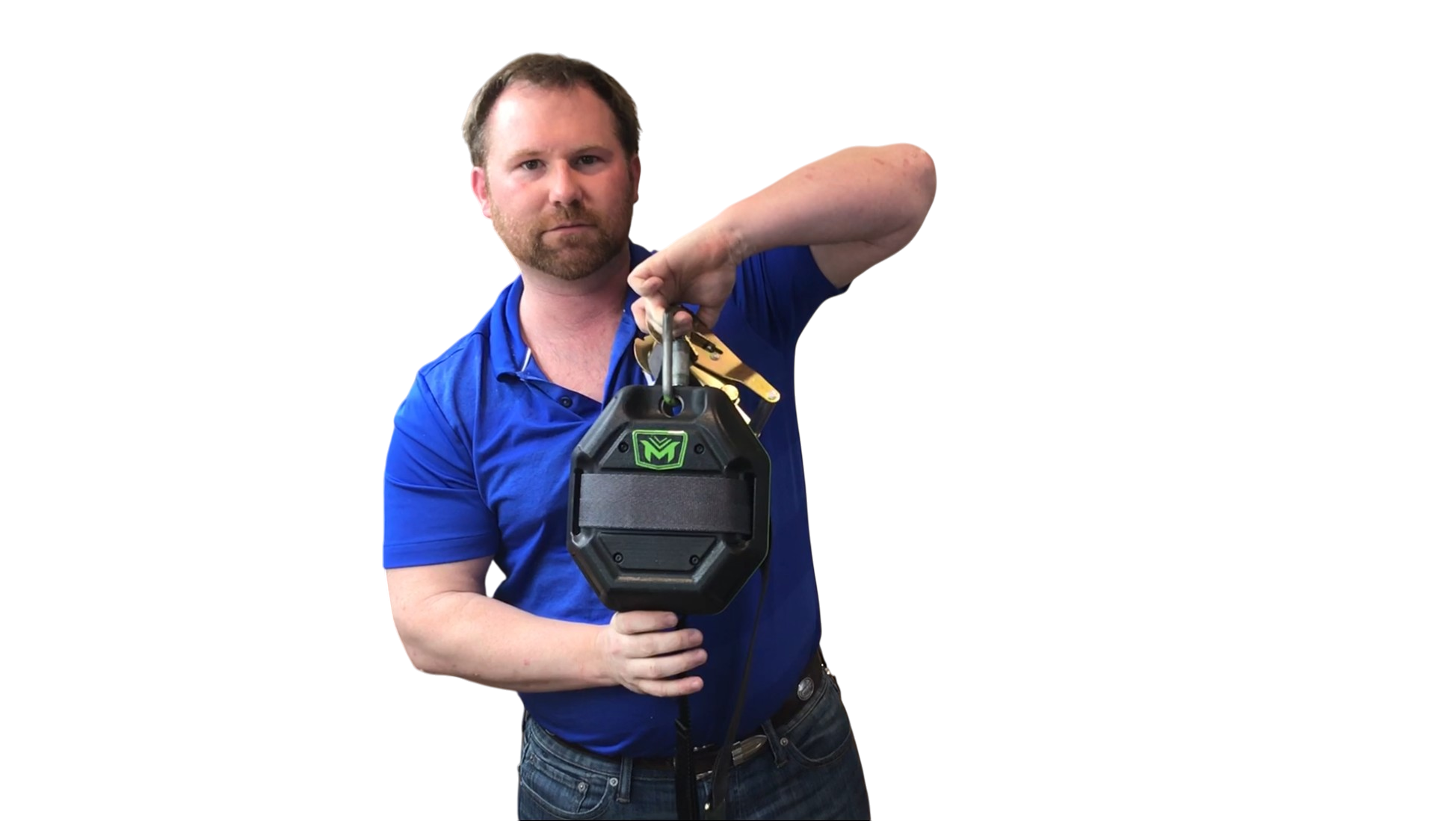
- Tested prototypes. Working units built, loaded and revised across several rounds, including client-requested pivots.
- Manufacturing package. Mouldable geometry, catalogue hardware, drawings, bill of materials and test results.
- A licensable product. De-risked enough for an established hunting-market manufacturer to take on.
Capabilities used on this project
Rapid prototyping services
3D printing, CNC machining, urethane casting and functional prototype builds with published materials, tolerances and lead times.
Concept design
Sketch exploration, form studies and CAD concepts that turn an idea into a buildable direction.
Design for manufacturing
Molding-ready geometry, tolerances, production drawings, assembly documentation and DFM review with the tooling vendor.
How a piece of outdoor safety gear gets developed
Borrow the proven mechanism from industry, then re-engineer everything around it for the way the product is actually carried and used.
Start from the proven industrial mechanism
Self-retracting lifelines are mature, regulated equipment in construction. Beginning there means the physics of arresting a fall is not being invented — the work is adapting a known mechanism to a new user and a new anchor.
Re-specify the product around the field, not the job site
A tree is an irregular, moving anchor. The user is carrying a bow at 5am in the cold, wearing gloves, and cannot make noise. Each of those becomes a hard requirement that changes mounting, weight, controls and materials.
Engineer the brake to two numbers
Engagement speed must sit above the fastest climbing motion and below free-fall; arrest force must stay low enough not to injure the person caught. Spring rate, shoe mass, pivot geometry and friction material are sized together against those two targets.
Prototype and drop-test, then let results change the design
Working units get built and loaded rather than simulated into approval. Several rounds — including client-driven pivots after handling a prototype — refine lock speed, housing durability and one-handed operation.
Convert the tested design into something a factory will quote
Mouldable geometry, catalogue springs and fasteners, fewer assembly steps, and a package of drawings, bill of materials and test results — the form a manufacturer or licensee can act on without redesigning it.
| Route | What it does | Where it falls short |
|---|---|---|
| Copy an industrial device and rebrand it | Gets a working mechanism to market quickly | Ignores the anchor, weight, noise and weather realities that decide whether hunters carry it |
| Overseas factory design service | Produces samples cheaply against a brief you supply | Assumes the safety engineering is already correct and rarely supports load testing or a licensing package |
| Engineering-led outdoor gear design | Derives the mechanism, materials and controls from field use, then proves them in tested prototypes | Costs more up front than a copy; justified when the product carries a safety claim |
Questions about this project
Straight answers from the engineers who ran the build. Have a different question? Ask us directly.
Talk to an engineerWhat is outdoor gear design?
It is product design and engineering for equipment used outdoors, where cold, water, dirt, portability and one-handed operation are requirements rather than nice-to-haves. It pairs industrial design with mechanical engineering and field testing, because failures show up in use rather than on a drawing.
How does a fall arrest device for hunters differ from a construction one?
The anchor is a living tree instead of structural steel, the device is carried in rather than installed, it is attached in the dark with gloves on, and it has to stay quiet enough not to spook game. Those constraints change mounting, weight, controls and materials even though the internal braking principle is shared.
How does the braking mechanism work?
Spring-loaded shoes ride on a hub inside a drum. At climbing speed the springs hold them in and the line pays out freely; in a fall the drum spins fast enough that centrifugal force throws the shoes outward against the drum and the line locks. An energy-absorbing lanyard then softens the stop.
Can LA NPDT take a hunting product from idea to manufacturing?
Yes — that is what this project was. McMaster Outdoors arrived with an idea and left with a tested, manufacturing-ready design, having gone through concept design, engineering, prototyping, testing and design for manufacturing with one team.
What does licensing a product to a manufacturer involve?
Instead of tooling up and selling it yourself, you hand a proven design and its documentation to a company already in that market and earn royalties. It requires the design to be de-risked — tested prototypes, clear drawings and a bill of materials — which is exactly the package a development project should end with.
Industries this project belongs to
See how we approach development in each of these categories, and the other products we have taken from sketch to production there.


