Silicone Additives & Pigments: Glow-in-the-Dark, Colorants and Hospital Compatibility
How pigments, glow additives, conductive fillers and UV stabilizers affect silicone curing, mechanical properties and hospital or food compatibility.
September 7, 20262 min read

Written by Konstantin Dolgan, Ph.D., NPDP
Founder & CEO, Product Development Engineer
Published September 7, 2026
Pigments, glow additives, conductive fillers and UV stabilizers expand what silicone can do, but every additive changes processing and performance. The same glow pigment that makes a part visible in the dark can lengthen cure time, raise viscosity or reduce tear strength if it is overloaded.
Pigment loading and cure
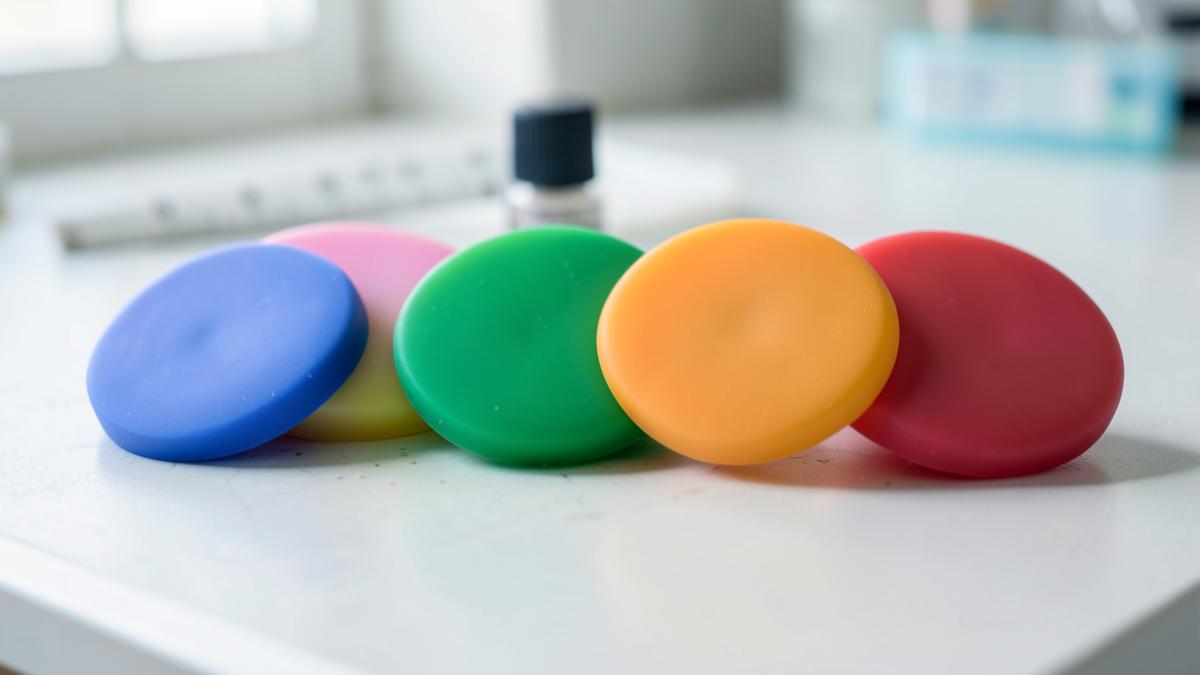
Silicone pigments are concentrates designed for platinum-cure systems. Loading above the recommended level can inhibit cure, create streaks or alter durometer. We validate pigment ratios on test pucks before running production.
Glow-in-the-dark additives
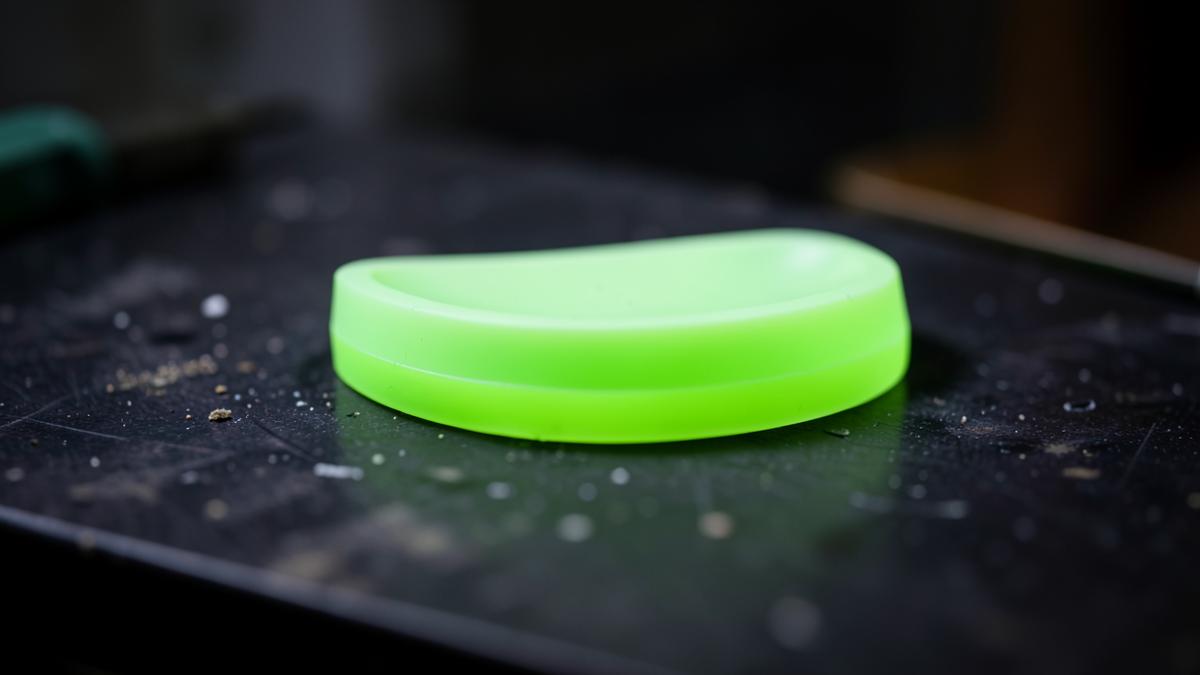
Phosphorescent pigments absorb light and re-emit it in darkness. They work well in silicone but need enough loading to glow visibly without making the material brittle. The glow duration depends on pigment type, loading and prior charge time. They are often used in safety and accessibility products.
Conductive and thermal fillers
Conductive fillers can make silicone electrostatic-dissipative or shield against EMI. Thermally conductive fillers help move heat in wearable or sealed devices. Both fillers increase hardness and reduce elongation, so mechanical targets must be re-checked.
UV stabilizers
Outdoor silicone parts can yellow, harden or crack under prolonged UV exposure. UV stabilizers and higher-quality base polymers extend service life. We recommend accelerated UV testing for parts exposed to sunlight or sterilization lamps.
Additive impact on mold and surface
- Abrasive fillers can wear molds faster.
- Heavy pigments may settle in liquid systems before cure.
- Some additives require higher cure temperatures or longer cycles.
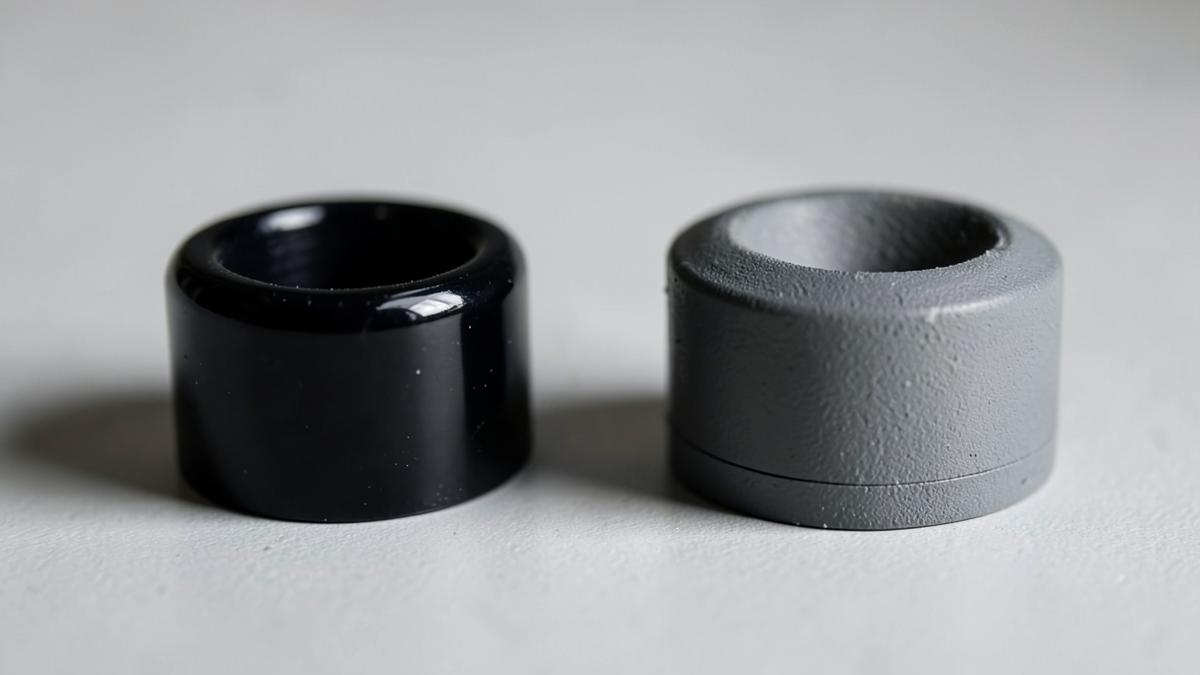
- Surface finish can change from glossy to matte depending on filler type.
Hospital and clinical compatibility

Additives must be evaluated alongside the base silicone for the intended cleaning and sterilization method. A glow pigment that performs well at room temperature may fade or discolor after repeated autoclaving. Our nurse-call button cover went through glow-performance and sterilization testing to confirm the additive survived hospital cleaning cycles.
Additive effects at a glance
Additive | Why it is used | What to watch |
|---|---|---|
Color pigment masterbatch | Brand color and part identification | Loading can affect cure and elongation; use systems made for the cure chemistry |
Glow-in-the-dark phosphor | Visibility in dark environments | Filler loading changes feel and tear behavior; verify contact requirements |
Conductive filler | Static dissipation or electrical contact | Higher stiffness and cost; dispersion must be uniform |
UV stabilizer | Outdoor color and property retention | Confirm compatibility with food or medical grade requirements |
Reinforcing silica | Higher tear strength | Raises viscosity, which affects mold filling |
Related reading
The silicone rubber prototyping and manufacturing page covers process choices, medical and food-grade silicone covers contact requirements, and medical product development shows a glow-in-the-dark silicone nurse-call cover.
Want custom color or functional additives in silicone?
Frequently asked questions
Can any pigment be added to silicone?
No. Only pigments compatible with platinum-cure chemistry should be used. Some pigments contain ingredients that inhibit cure or are not safe for skin or food contact.
Do additives change Shore A?
Yes, especially fillers. Conductive or thermal fillers often raise hardness and lower elongation. We retest durometer and mechanical properties whenever the formulation changes.
Are glow-in-the-dark silicones safe for medical use?
They can be, but the pigment system must be evaluated for biocompatibility and sterilization compatibility. The pigment itself must be suitable for the intended contact type and duration.
Can additives be removed later?
No. Additives are mixed into the base material before cure. Once molded, the formulation is fixed. Any change requires new validation and possibly new tooling trials.
Services related to this guide
- Product design servicesIndustrial design and CAD taken all the way to manufacturable files.
- Rapid prototypingWorking prototypes in days, from 3D printing to vacuum casting.
- Electronic design servicesSchematic, PCB layout, firmware and bring-up, through to production handoff.
- Product development examplesReal projects we designed, prototyped and shipped.