Sustainable Prototyping: Materials and Methods for Eco-Conscious Design
Explore sustainable prototyping with eco-friendly materials
August 27, 20258 min read

Written by Konstantin Dolgan, Ph.D., NPDP
Founder & CEO, Product Development Engineer
Published August 27, 2025Updated September 2, 2026
read 3 mins
Sustainable prototyping is now a vital need. We must face rising fears about resource loss and climate change. Global heat causes wildfires, storms, and floods.
These events hurt our nature and our homes. Past land use has killed plants and animals. We must change our path now.
Sustainability means we care for those who come next. Our choices must protect the Earth. We need clean air, water, and soil to live.
This is a moral duty. Learning helps us build this mindset. Green design and prototyping help us put these rules into work. They create good tools for all fields.
Key Principles of Sustainable Production
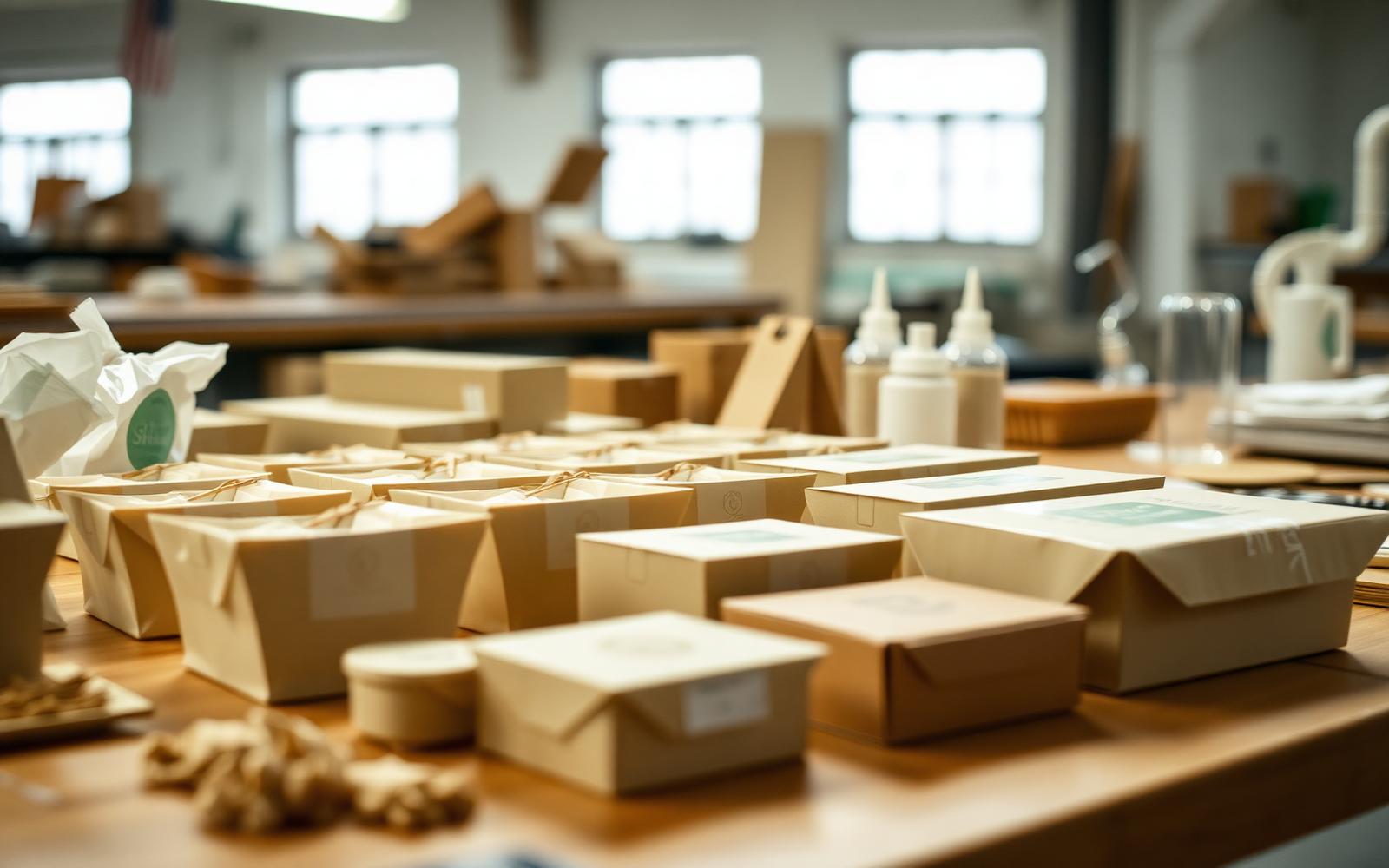
Sustainable design blends care for nature with great looks and use. The main goals are to lower waste and save resources. We still make products that work well and please users. This method looks at every step of a product's life. We study the first ideas, the build, and the end use. This helps us get the best results for people and the Earth.
Many firms find it hard to use green design. New laws and public pressure exist. Yet, high costs and low demand slow them down. Many teams still use old models that waste resources. This shift is a vital response to global crises. Every design choice has a big impact. These choices change our resource levels, pollution, and waste.
Factors Driving Sustainability in Design
- People want more green products. This demand is rising.
- Environmental rules and standards are getting tougher.
- New technology helps us find eco-friendly materials. It also helps us find new processes.
Strategies to Enhance Material Efficiency
- Optimize metal use in design — reducing component weight by up to 30% and cutting related emissions. Minimize production yield losses — potentially lowering CO₂ emissions by around 16% in steel and 7% in aluminium industries. Reuse manufacturing scrap directly for smaller parts — reducing steel scrap by as much as 50%. Repurpose decommissioned structural elements (e.g., steel beams) to avoid energy-intensive recycling. Extend product lifespans through adaptable designs that discourage premature replacement and planned obsolescence.
Sustainable Development
Human life now uses more than the Earth can replace. We use ten times more materials than in the past. We take fuels and minerals from the ground. Before the 1700s, our impact was small. New tools and tech have surged our resource use. In 1798, Thomas Malthus warned that growth would outpace food. In 1972, experts said we would hit our limits in a century. By 1987, world leaders called for deep changes to save our future.
Materials include wood, metal, plastic, and fuels. Moving these goods over long paths causes new problems. Tech helps us delay shortages for now. Yet, new materials bring risks we did not expect. We must use them with care. Joseph Fiksel notes that damage to nature matters most. This toll may be worse than the lack of resources.
- These are bio-based options. They use renewable and low-impact materials. Examples include biodegradable plastics like starch or polylactic acid. Cellulose-derived packaging and plant fibers such as hemp, jute, or bamboo are also used. All are sustainable choices.
- These materials are recycled. They come from waste streams. This includes plastics, metals like aluminum or steel, and glass. Using them helps the environment.
- These are sustainable composites. They include natural-fiber bio-composites. These might mix flax or hemp with biopolymers. Other composites use recycled plastics or metals. These blends offer strong, eco-friendly choices.
- These are innovative materials. They are cutting-edge solutions. Graphene is strong and lightweight, and it conducts electricity. Aerogels are ultra-light insulators. Self-healing substances make products last longer. These materials are very advanced.
These methods and materials are key. They form the core of sustainable production design. This strategy looks to the future. It balances care for the environment. It also considers economic success and human health.
Figure 1 – Sustainable Materials Characteristics
Naturally Occurring | Recycle & Composite | Man-Made |
|---|---|---|
Timber | Silica | Recycled Fabric |
Metal | Latex | Repurposed Concrete |
Stone | Wood Chips & Dust | E-Plastic |
Leather | Reclaimed Wood | |
Earth | Metal Alloys | |
Plant Fibre | Reclaimed Metal | |
Animal Fibre | Crete Composites | |
Natural Extracts | Stone Chips & Dust |
Biodegradable Materials
People now prefer products that break down naturally. This shows they care about the environment. These materials:
- They break down on their own. This process does not harm nature.
- They use less energy to make and to throw away.
- We can get them in ways that are good for people and the planet. We can also replace them easily.
Using green materials needs new ways to design and build. Designers look for new ways to use these materials. They aim to make unique products that look and work well. They must think about the full life of every item.
Principles of Sustainable Consumption
Sustainable living means we use less resources. It also helps society thrive for a long time. Key ideas are:
- Reduce: Lower how much you use or consume overall. Fewer things are better.
- Reuse: Make products last longer. You can fix them or find new uses for them.
- Recycle: Turn old waste into new products. This helps save resources.
- Minimalism: Value experiences and people more. Focus less on owning many things.
Drivers of Sustainable Consumption
- Consumers who know about ecological impacts will pick greener products. This is called environmental awareness.
- Government rules, money help, and rewards guide businesses and people to choose sustainable options. These are government policies.
- What a community expects and what friends do can lead to lifestyles that have little impact. These are social norms.
- People want fair trade. They also want human rights guaranteed and companies to be socially responsible. This shapes how they buy things. These are ethical considerations.
- Resources are becoming scarce. Costs are rising. This makes sustainable practices look better and work well. These are economic factors.
- New technology helps. Renewable energy, IoT, AI, and green manufacturing make things more efficient. They also create less waste. These are technological advances.
- Rules like carbon pricing, eco-labels, and international agreements support sustainable actions. These are regulatory frameworks.
Five Phases of Design Thinking in Sustainable Development
- Empathize: Understand environmental challenges, local ecosystems, and the communities they affect to ground solutions in real needs. Define: Articulate a clear sustainability challenge — such as cutting urban plastic pollution — by gathering insights and framing the core problem. Ideate: Generate a wide range of creative concepts, from biodegradable packaging prototypes to zero-waste service models. Prototype: Build scaled-down models or pilot programs to explore feasibility, materials, and user interactions in a controlled setting. Test: Deploy prototypes in real-world contexts, collect feedback on performance and impact, and iterate designs for continuous improvement.
Conclusion
Conscious buying is now a common trend. People see how their choices affect the planet. Firms that measure their footprint and use green methods find long-term success. This applies to sourcing, production, and shipping. Using materials like bamboo shows how to design for nature. It yields products that are useful, pretty, and kind to the Earth.
Subscribe
Dive deep into the dynamic world of new product development with LA NPDT Insights Blog.
Recent Posts
Geopolitical Risk in New Product Development
Component Lifecycle Management: Designing for Obsolescence
Material Qualification Strategy: Reducing Risk Before Production
Bridging Digital and Physical Prototyping
Systems Thinking in Hardware Development
You used Chatgpt to develop a product idea. Now what?
Subscribe
Dive deep into the dynamic world of new product development with LA NPDT Insights Blog.
Recent Posts
Geopolitical Risk in New Product Development
Component Lifecycle Management: Designing for Obsolescence
Material Qualification Strategy: Reducing Risk Before Production
Bridging Digital and Physical Prototyping
Systems Thinking in Hardware Development
You used Chatgpt to develop a product idea. Now what?
Sources and standards
- ISO/ASTM 52900 additive manufacturing terminology. This standard defines additive manufacturing processes.
- NIST additive manufacturing research is available. It includes process and material research. This research supports 3D printing quality.
- USPTO — patent basics provides official guidance. This guidance covers provisional and non-provisional filings for new products.
Choosing a sustainable material for the prototype stage
Eco-friendly prototyping is a serious study. Recycled and bio-based stocks act differently under heat or stress. You must test the green option next to the old material. Then, record exactly where it fails.
Material | Best prototype use | Watch out for |
|---|---|---|
PLA and recycled PLA | Form and fit studies, early enclosures | Creeps and softens above roughly 60C |
rPETG | Durable functional shells and clips | Color consistency varies by feedstock lot |
Molded pulp | Protective packaging mock-ups | Humidity changes stiffness; condition before testing |
Bio-based PA (castor) | Living hinges, snap features, brackets | Longer lead times and higher per-part cost |
Reclaimed aluminum | Structural brackets and heat paths | Verify alloy temper before load testing |
Frequently asked questions
Do sustainable materials cost more for prototypes? Yes, they usually cost 10 to 30 percent more per part. This price difference gets much smaller at high production volumes.
Can I prototype with one material and produce with another? You can, but only for form and fit checks. All tests for how the product works or meets regulations must use the final production material and process.
Need a second set of eyes on your program? Talk with our team or explore our rapid prototyping services. We work with inventors and manufacturers from Ruston, Louisiana, Monday through Friday, 10am to 6pm Central Time.
Measuring the environmental claim you plan to make
A green prototype is worthless if the claim fails a review. You need a solid base before using a compostable label. Get supplier notes and mass-balance math. A cradle-to-gate study helps if you compare two options. US and EU rules target vague words like “eco-friendly”. The safest claims are specific. Use “bottle has 30 percent post-consumer resin by weight”. Avoid “made from recycled materials”.
Gather your proof during the prototype stage. Each trial should log the supplier, grade, and recycled content. Note the cert number and the test coupons made. This record is cheap to keep while parts are on the bench. It is very costly to build once you cut the tools.
Claim | Evidence you must hold | Where it usually fails |
|---|---|---|
Recycled content percentage | Supplier declaration plus mass-balance record per lot | Blended regrind with no lot traceability |
Compostable | BPI or EN 13432 certificate for the finished item | Certificate covers the resin, not the assembled part |
Recyclable | Material and label compatibility with local streams | Multi-material laminate or dark pigment defeats sorting |
Lower carbon footprint | Comparative LCA with declared boundaries | Boundary excludes transport or end-of-life |
Plastic free | Full BOM including adhesives, coatings and closures | Barrier coating or window film is still polymer |
Design-for-recycling decisions made at prototype stage
- Mono-material wherever the function allows. A single-polymer package sorts cleanly; a PET body with a PVC sleeve contaminates the PET stream and can downgrade an entire bale.
- Design fasteners for disassembly. Snap fits and screws let a recycler separate metal from polymer; glued and over-moulded assemblies do not.
- Avoid carbon-black pigments. Near-infrared sorters cannot see them, so the part goes to residue regardless of the resin.
- Keep adhesives washable. Water-releasable label adhesives survive the wash step; permanent acrylics leave residue that devalues the flake.
- Prototype in the production resin. A part printed in PLA proves geometry but tells you nothing about how the injected recycled grade will shrink, warp or smell.
Cost and lead-time reality
Green feedstocks usually add 10 to 30 percent to prototype costs. They add one to three weeks of lead time. This happens because order sizes are higher and color matching is slow. Costs often drop at high volume. Post-consumer resin can cost less than virgin resin. Model both cases in the business plan. Do not let a buyer cancel a green choice based on high prototype quotes.
Key takeaways
- Select materials using a trade study. This study should cover strength, shrink, odor, color, and supply. Finish with a period.
- Keep claim evidence. This includes declarations, certificates, and lot records. Save these from the first trial part. Finish with a period.
- Use specific numeric claims. Avoid general environmental language. Finish with a period.
- Design for easy disassembly. Also, plan for single-polymer sorting. Do this before tooling is ordered. Finish with a period.
- Expect a 10 to 30 percent higher cost for prototypes. This extra cost often goes away at higher production volumes. Finish with a period.
Work with LA NPDT: Do you need to build your idea? Start with our rapid prototyping services. You can also talk to us about prototype design.
Filed under:EducationUncategorized
Tagged:2025
Services related to this guide
- Best prototyping companiesDevelopment firms, instant-quote bureaus and local shops — who fits which job.
- Free prototype cost calculatorFive to eight questions, an instant cost range for a first prototype.
- Prototype development companiesWhich firms take a sketch to a working prototype — and which only fabricate parts.
- Rapid prototypingWorking prototypes in days, from 3D printing to vacuum casting.