
Tag
AI
24 articles filed under AI.
AI toys in 2026: what to design into a smart toy prototype now
For founders, toy inventors, and product teams building AI-enabled, talking, or connected toys. In one week, a state banned a whole category of AI toys, a consumer watchdog showed how chatbot guardrails fail in real products, and major retailers pulled listings. Here is what changed, which rules already apply, and which design decisions belong in the first prototype instead of a late redesign.
Read more: AI toys in 2026: what to design into a smart toy prototype now
Hardware Development 101 for Software Engineers: Why Hardware Is the New Moat
AI made software fast to build and easy to copy. Physical products still take machines, suppliers, test data and certifications that take years to line up. Here is how hardware actually gets made, where your software skills carry over, and what is hard about it.
Read more: Hardware Development 101 for Software Engineers: Why Hardware Is the New Moat
US Cyber Trust Mark in 2026: what to build into an IoT prototype now
For founders and product teams building smart home devices, pet cameras, connected wearables (non-medical), and AI-enabled consumer gadgets. The FCC's Cyber Trust Mark program moved from "someday" to a dated rulemaking this fall. Here is what changed, what the label will ask you to disclose, and which security decisions belong in the prototype, not in a late redesign.
Read more: US Cyber Trust Mark in 2026: what to build into an IoT prototype now
AI trail cameras in 2026: new state rules and what to build into your prototype
For founders and product teams building trail cameras, game cameras, and other connected hunting and wildlife gear. In 2026, states drew sharper lines around transmitting cameras, and species recognition moved onto the camera itself. Here is what that changes in the design, firmware, and test plan.
Read more: AI trail cameras in 2026: new state rules and what to build into your prototype
Snap fit design guide: 3D printed snap fits that survive prototype builds
A clip that snaps once on the bench and cracks on the third opening is a design problem, not bad luck. Here is how we size cantilever snap fits for printed prototypes, with the math shown, and what changes when the same part goes to a mold.
Read more: Snap fit design guide: 3D printed snap fits that survive prototype builds
Sodium-ion vs lithium-ion in 2026: what changes when your prototype switches chemistry
For founders and engineers building battery-powered products, especially cold-weather outdoor gear, backup power, and IoT devices. Sodium-ion moved from the lab to GWh-scale production this year. Here is where it fits, what it changes in the electronics and firmware, and what to test before you commit.
Read more: Sodium-ion vs lithium-ion in 2026: what changes when your prototype switches chemistry
Tolerance stack-up example: worst case vs RSS on a prototype enclosure
A board, a tall part, and a 3D printed lid. Here is how we check that they fit before anyone prints, step by step, with real process tolerances and the math shown.
Read more: Tolerance stack-up example: worst case vs RSS on a prototype enclosure
Product development cost in 2026, and what to expect in 2027
LA NPDT's 2026 product development cost classes, from a basic one-part product to a complex multi-subsystem build, and what wage, shop-rate, and component data say about 2027. The cost page remains the source for the full price tables.
Read more: Product development cost in 2026, and what to expect in 2027
Physics AI for Prototyping in 2026: Which Tests Can AI Simulation Replace?
For founders and product teams deciding how far to trust AI simulation before building hardware. What Siemens, Rescale, Samsung and Luminary announced between late October and mid November 2026, what NIST says about trusting models, and a decision table for what to simulate and what to build and test.
Read more: Physics AI for Prototyping in 2026: Which Tests Can AI Simulation Replace?
PCB design review: a checklist before you order prototype boards
Boards are cheap to change in CAD and expensive to change after they ship. Here is how we review a schematic, a layout, and the fab package before a prototype order, and where AI review tools fit.
Read more: PCB design review: a checklist before you order prototype boards
Soft tooling vs hard tooling for injection molding prototypes: when aluminum molds make sense, and where AI DFM helps
After a working prototype, the next tooling decision is easy to get wrong: cut a cheaper aluminum (soft) mold, or spend for hardened steel (hard tooling) that lasts for production. Here is how we decide soft tooling vs hard tooling for injection-molded parts, what a soft tool can and cannot prove, a checklist before you order, and where AI DFM checks actually help.
Read more: Soft tooling vs hard tooling for injection molding prototypes: when aluminum molds make sense, and where AI DFM helps
Firmware testing for hardware prototypes: HIL test benches, automation, and AI-generated test cases
Firmware that works on your desk can still lock up when the battery sags, the radio drops, or an update is cut off halfway. Firmware testing is how you find that before a user does. Here is how we layer firmware tests on a hardware prototype, when a HIL test bench is worth building, how to automate it, and where AI-generated test cases genuinely help.
Read more: Firmware testing for hardware prototypes: HIL test benches, automation, and AI-generated test cases
AI CAD Agents Just Got Real for Hardware Prototypes in 2026: What Founders Should Do Next
For founders and product teams turning drawings, scans or AI concepts into a physical prototype. What changed in the first week of November 2026, what AI CAD agents actually deliver, and the checklist to run before you print or fab.
Read more: AI CAD Agents Just Got Real for Hardware Prototypes in 2026: What Founders Should Do Next
Test fixture design for prototypes and pilot builds: how we do it, and where AI helps
A prototype that works once on a bench is not the same as twenty units that pass the same test the same way. Test fixture design is how you get there. Here is how we decide whether a prototype needs a fixture, how we design functional, pogo pin and bed-of-nails fixtures, what 3D printing is good for, and where AI genuinely helps.
Read more: Test fixture design for prototypes and pilot builds: how we do it, and where AI helps
EU AI Act 2026: What AI Hardware Founders Should Build Into the Prototype Now
For founders and product teams building physical products with AI inside, from voice devices and companion robots to smart toys and machinery. What the 2026 AI Omnibus changed, which EU AI Act dates apply to your product, and what to design into the prototype now.
Read more: EU AI Act 2026: What AI Hardware Founders Should Build Into the Prototype Now
Dfmea for a first prototype: a design fmea walkthrough, and where AI helps
A design FMEA is the cheapest place to break your product. Run on a first prototype, it tells you which failures matter, what to change before the next build, and which tests the prototype must pass. Here is how we run a DFMEA for prototypes using the AIAG-VDA steps, why Action Priority beats a simple RPN, and where AI genuinely speeds it up.
Read more: Dfmea for a first prototype: a design fmea walkthrough, and where AI helps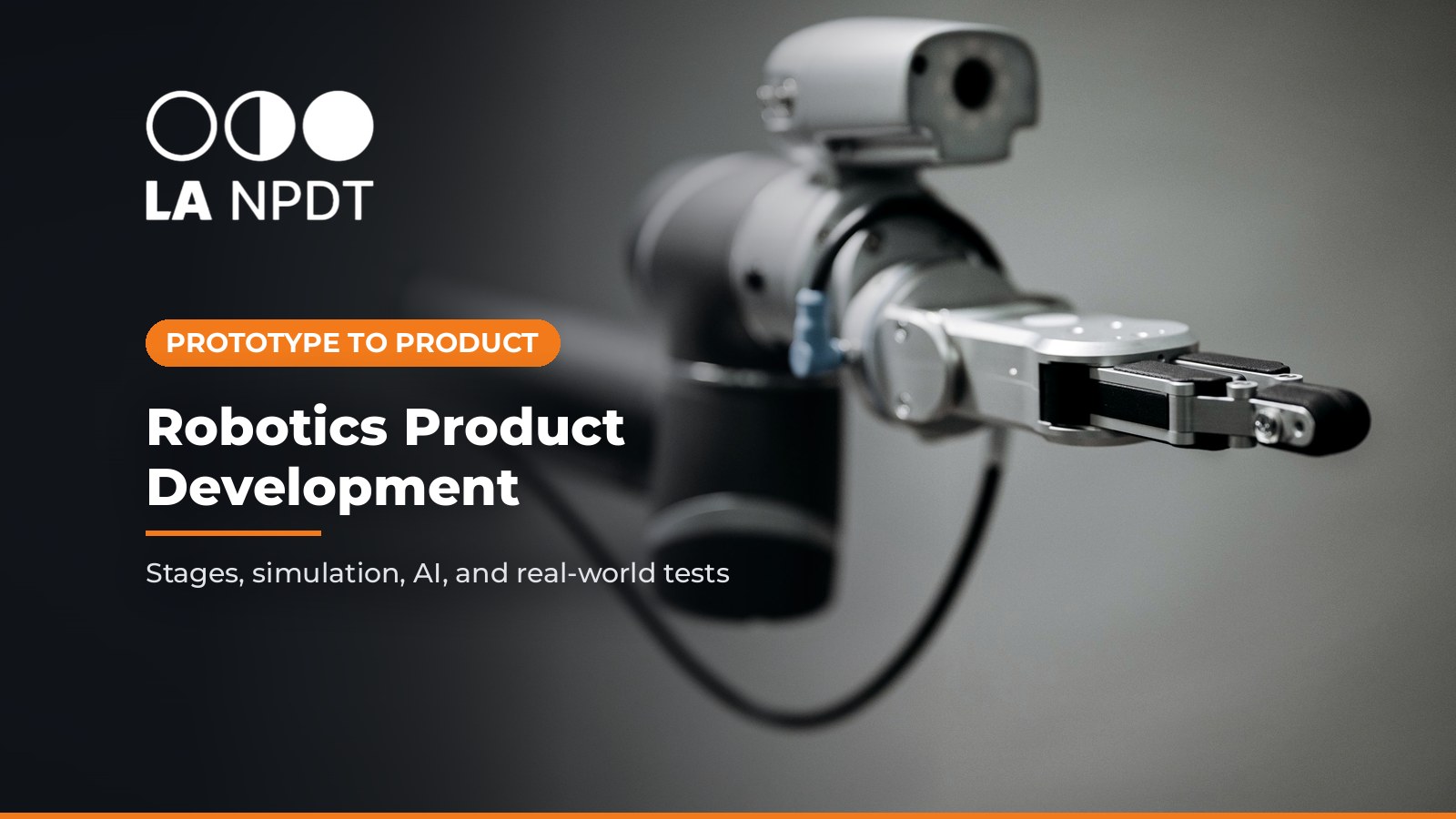
Robotics product development: from first prototype to product, with simulation and AI
A robot is a mechanical product, an electronics product, and a software product at the same time, and often an AI product too. Here is how robotics product development moves from a first robotic arm prototype to something you can build, test, certify, and sell, where simulation and AI genuinely save time, and where only real hardware can give you the answer.
Read more: Robotics product development: from first prototype to product, with simulation and AI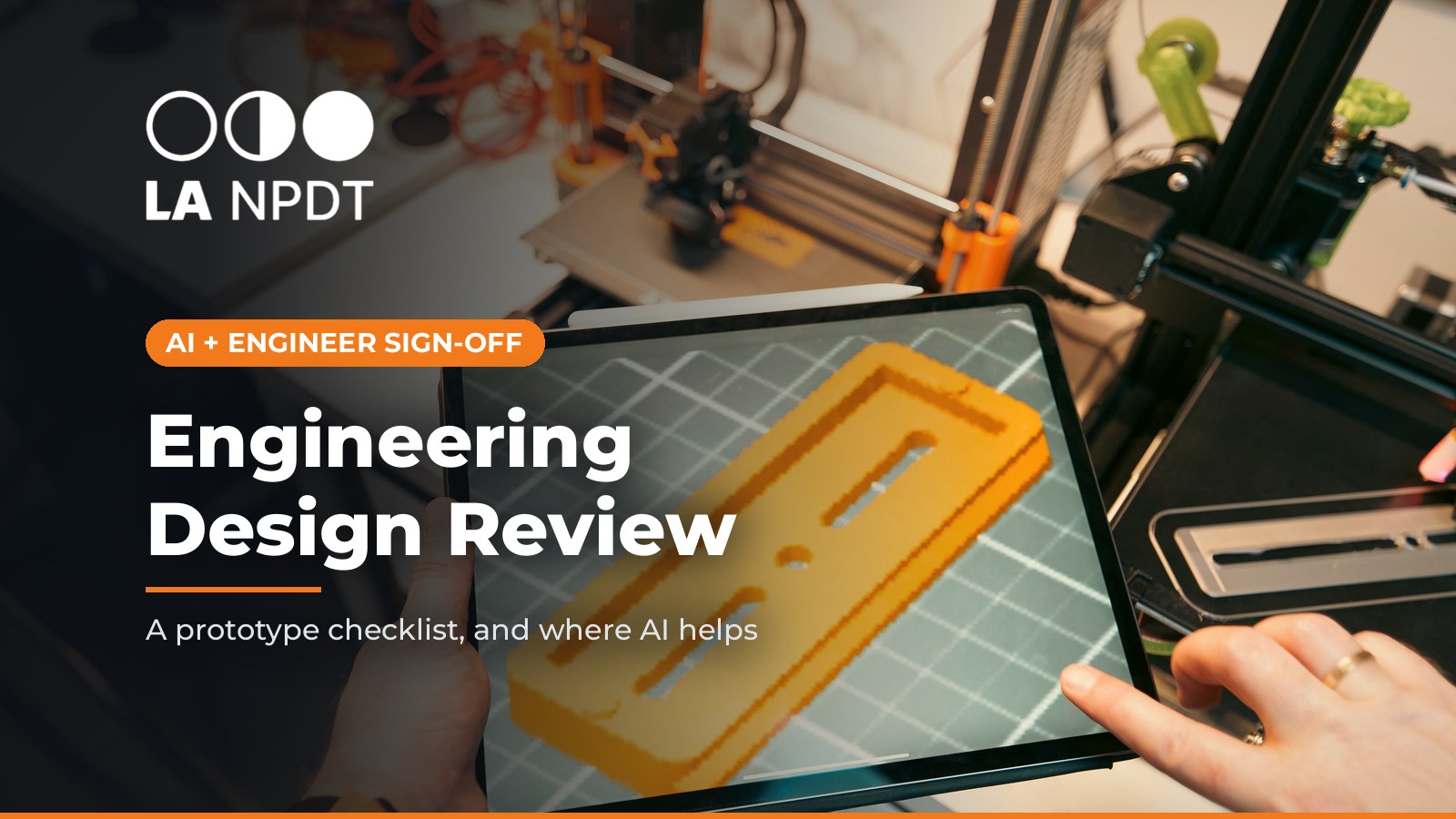
Engineering design review: a prototype checklist, and where AI helps
An engineering design review is the checkpoint where a team stops, shows its work, and decides whether a design is ready for the next prototype, the next spend, or the next gate. Here is how to prepare one, a checklist you can reuse, and an honest look at where AI can speed up the review and where an engineer still has to sign off.
Read more: Engineering design review: a prototype checklist, and where AI helps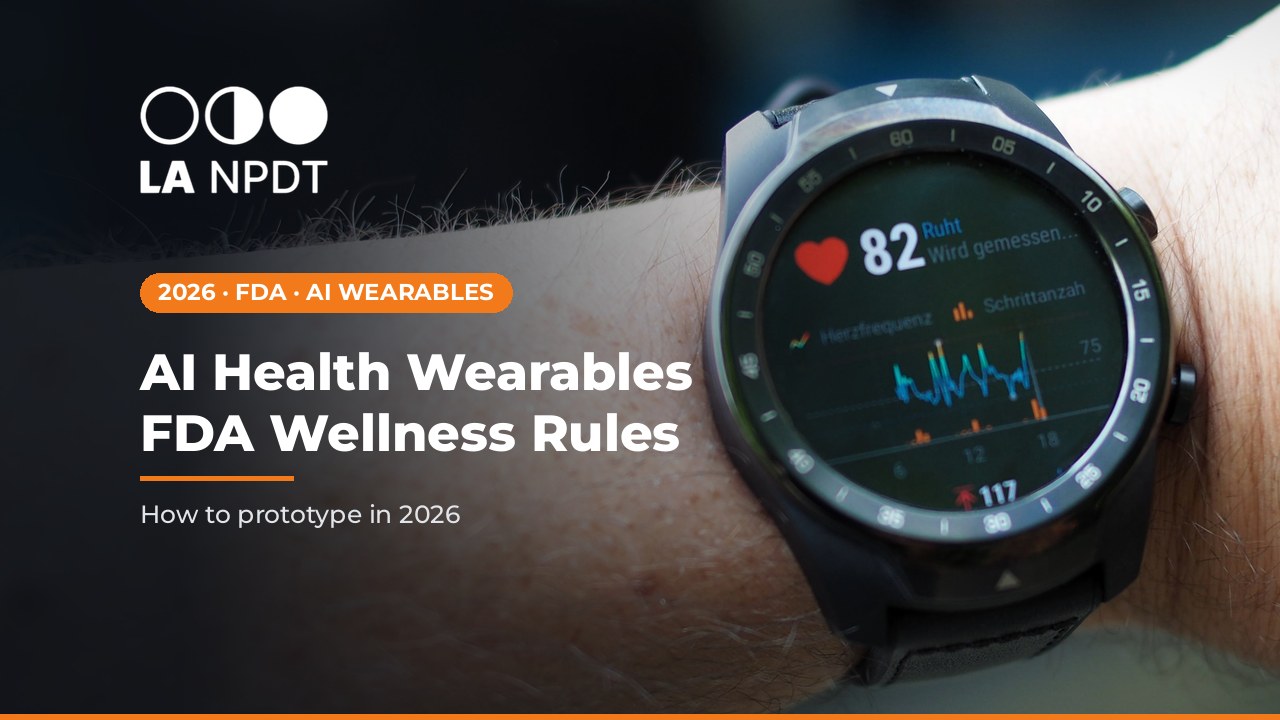
FDA General Wellness Guidance 2026: How to Prototype an AI Health Wearable Without Becoming a Medical Device
For founders and product teams building AI-powered fitness, sleep and recovery wearables. What FDA's January 2026 general wellness update changed, where the line to a regulated medical device now sits, and how to build validation, claims and firmware into the first prototype.
Read more: FDA General Wellness Guidance 2026: How to Prototype an AI Health Wearable Without Becoming a Medical Device
AI Tools for Hardware Prototyping in 2026: What Actually Works in CAD, PCB Layout, Firmware, and Simulation
For founders and product teams turning an idea into a working prototype. Here is where AI genuinely saves time in 2026 (converting geometry, routing boards, writing and debugging firmware, setting up simulations), where an engineer still has to own the result, and a checklist for putting AI into your prototype workflow without losing control of the design.
Read more: AI Tools for Hardware Prototyping in 2026: What Actually Works in CAD, PCB Layout, Firmware, and Simulation
Medical Device Manufacturing: Design Transfer, Validation and What It Costs
A released design is not a manufacturable device. Here is what happens between design freeze and the first validated lot, and what drives the cost of each unit.
Read more: Medical Device Manufacturing: Design Transfer, Validation and What It Costs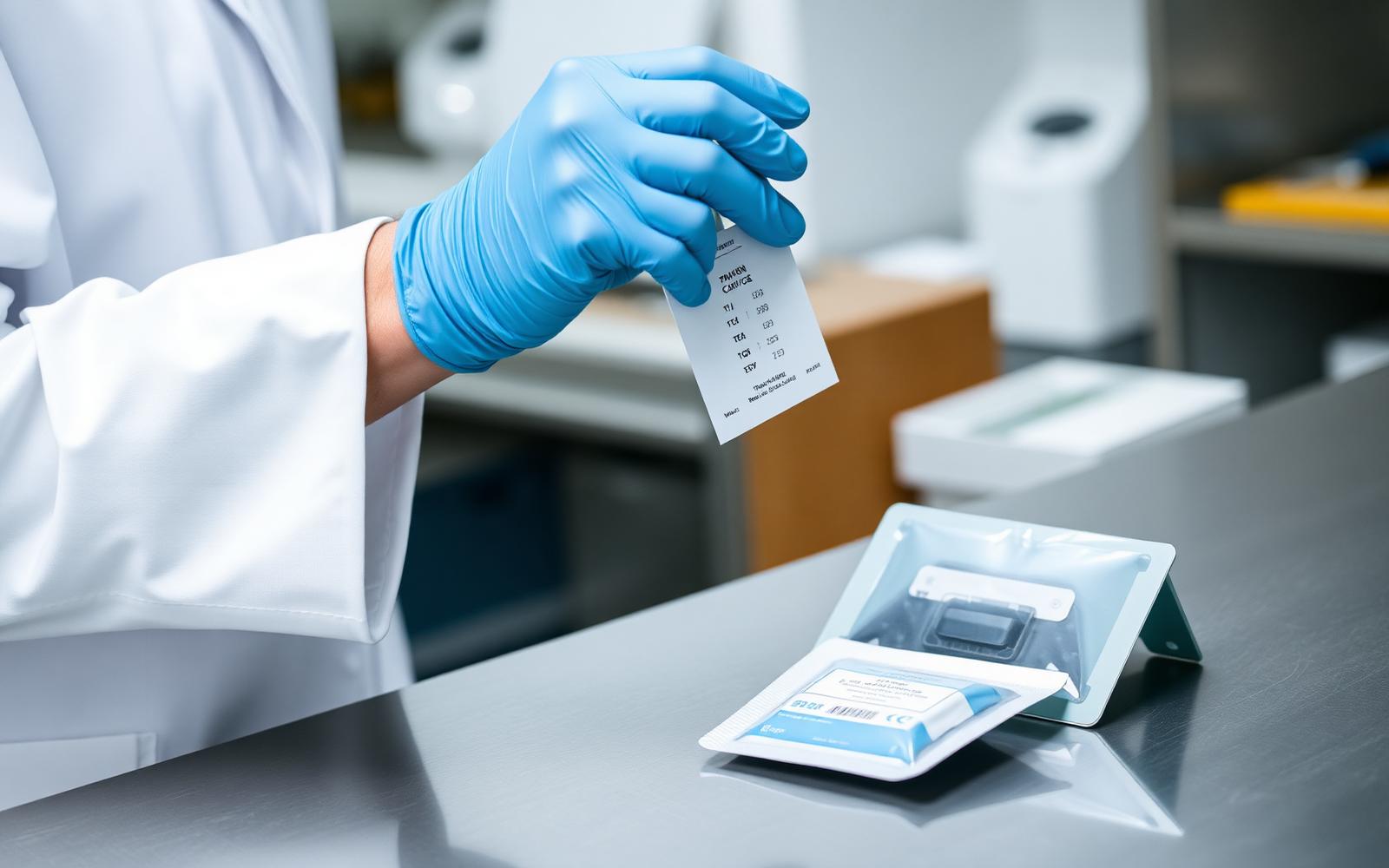
Tech Talk E14: Saving a Life of Kids and Animals Left in Cars, New Materials for Solar Panels, a New Type of Band-Aid
A simple, life-saving device. A solar panel that is "alive". All that and more in today's version of. . .LA NPDT Tech Talk.
Read more: Tech Talk E14: Saving a Life of Kids and Animals Left in Cars, New Materials for Solar Panels, a New Type of Band-Aid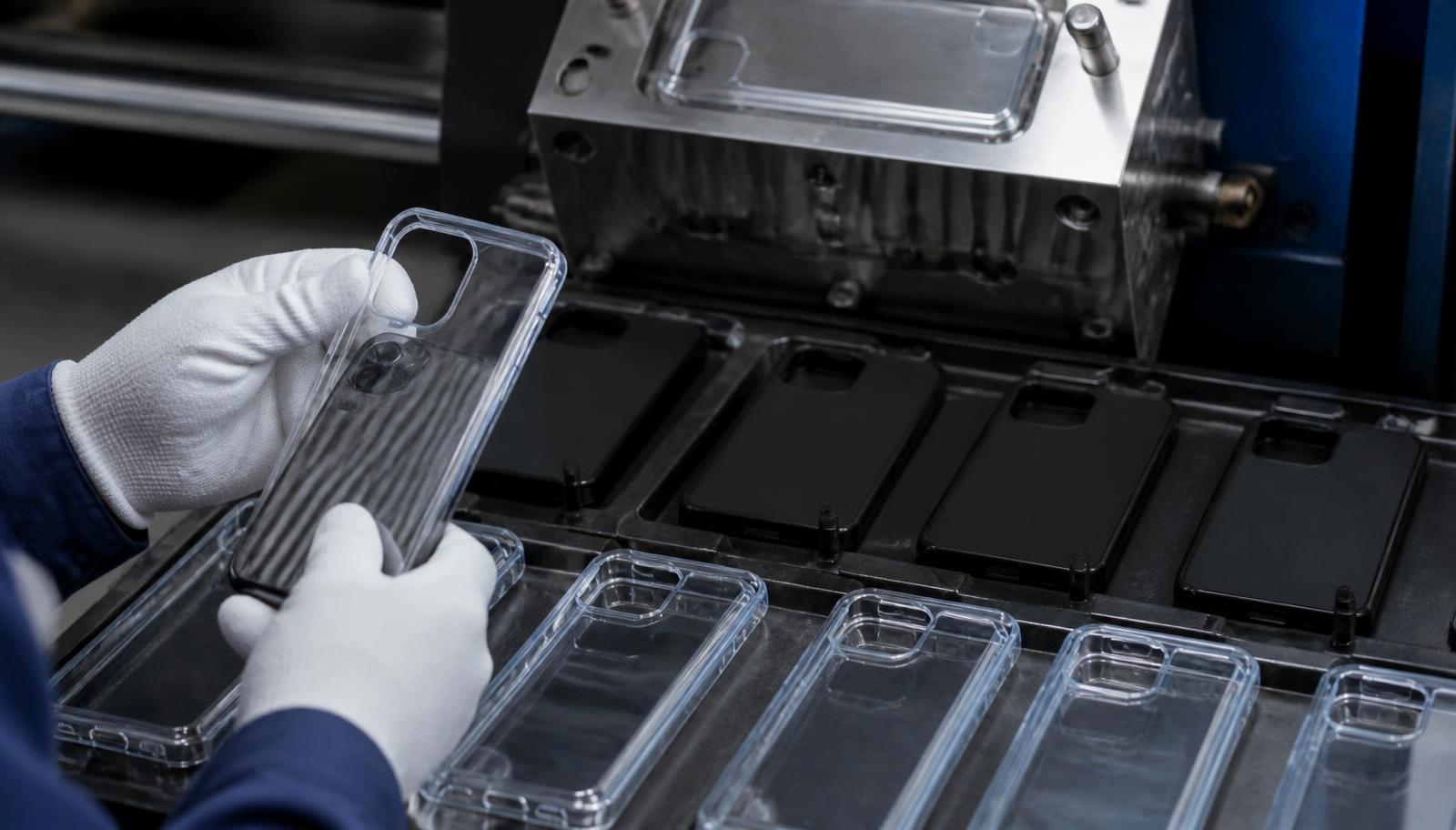
Phone Case Manufacturers: How to Choose, Tooling and Costs
Comparing phone case manufacturing routes, tooling costs, minimum order quantities and the drop-test data buyers should ask for.
Read more: Phone Case Manufacturers: How to Choose, Tooling and Costs
Robotic Process Automation in Manufacturing: Use Cases and ROI
RPA automates the paperwork around production, not the production itself. Here are the use cases that pay back, what bots cost, and where RPA fails.
Read more: Robotic Process Automation in Manufacturing: Use Cases and ROI