
Tag
Electronics
17 articles filed under Electronics.
AI toys in 2026: what to design into a smart toy prototype now
For founders, toy inventors, and product teams building AI-enabled, talking, or connected toys. In one week, a state banned a whole category of AI toys, a consumer watchdog showed how chatbot guardrails fail in real products, and major retailers pulled listings. Here is what changed, which rules already apply, and which design decisions belong in the first prototype instead of a late redesign.
Read more: AI toys in 2026: what to design into a smart toy prototype now
US Cyber Trust Mark in 2026: what to build into an IoT prototype now
For founders and product teams building smart home devices, pet cameras, connected wearables (non-medical), and AI-enabled consumer gadgets. The FCC's Cyber Trust Mark program moved from "someday" to a dated rulemaking this fall. Here is what changed, what the label will ask you to disclose, and which security decisions belong in the prototype, not in a late redesign.
Read more: US Cyber Trust Mark in 2026: what to build into an IoT prototype now
AI trail cameras in 2026: new state rules and what to build into your prototype
For founders and product teams building trail cameras, game cameras, and other connected hunting and wildlife gear. In 2026, states drew sharper lines around transmitting cameras, and species recognition moved onto the camera itself. Here is what that changes in the design, firmware, and test plan.
Read more: AI trail cameras in 2026: new state rules and what to build into your prototype
Sodium-ion vs lithium-ion in 2026: what changes when your prototype switches chemistry
For founders and engineers building battery-powered products, especially cold-weather outdoor gear, backup power, and IoT devices. Sodium-ion moved from the lab to GWh-scale production this year. Here is where it fits, what it changes in the electronics and firmware, and what to test before you commit.
Read more: Sodium-ion vs lithium-ion in 2026: what changes when your prototype switches chemistry
PCB design review: a checklist before you order prototype boards
Boards are cheap to change in CAD and expensive to change after they ship. Here is how we review a schematic, a layout, and the fab package before a prototype order, and where AI review tools fit.
Read more: PCB design review: a checklist before you order prototype boards
Firmware testing for hardware prototypes: HIL test benches, automation, and AI-generated test cases
Firmware that works on your desk can still lock up when the battery sags, the radio drops, or an update is cut off halfway. Firmware testing is how you find that before a user does. Here is how we layer firmware tests on a hardware prototype, when a HIL test bench is worth building, how to automate it, and where AI-generated test cases genuinely help.
Read more: Firmware testing for hardware prototypes: HIL test benches, automation, and AI-generated test cases
EU Replaceable Battery Rule 2027: What Battery-Powered Product Founders Should Change in the Prototype Now
For founders and product teams building battery-powered consumer, pet, outdoor and smart home products for the EU. What Article 11 requires from February 2027, which products the new October 2026 exemptions cover, and how to design battery access, sealing and firmware into the prototype.
Read more: EU Replaceable Battery Rule 2027: What Battery-Powered Product Founders Should Change in the Prototype Now
Test fixture design for prototypes and pilot builds: how we do it, and where AI helps
A prototype that works once on a bench is not the same as twenty units that pass the same test the same way. Test fixture design is how you get there. Here is how we decide whether a prototype needs a fixture, how we design functional, pogo pin and bed-of-nails fixtures, what 3D printing is good for, and where AI genuinely helps.
Read more: Test fixture design for prototypes and pilot builds: how we do it, and where AI helps
EU AI Act 2026: What AI Hardware Founders Should Build Into the Prototype Now
For founders and product teams building physical products with AI inside, from voice devices and companion robots to smart toys and machinery. What the 2026 AI Omnibus changed, which EU AI Act dates apply to your product, and what to design into the prototype now.
Read more: EU AI Act 2026: What AI Hardware Founders Should Build Into the Prototype Now
Shipping Lithium Batteries in 2026: The 30% Charge Rule and What It Means for Prototypes and Beta Units
For hardware founders, engineers and program managers shipping battery-powered prototypes to testers, labs and pilot sites. What changed in the 2026 air rules, how UN 38.3 and the prototype exceptions work, and how to design ship mode, packaging and logistics into the build.
Read more: Shipping Lithium Batteries in 2026: The 30% Charge Rule and What It Means for Prototypes and Beta Units
Edge AI Hardware in 2026: How to Prototype a Smart Product That Runs AI On-Device
For founders and product teams adding on-device AI to smart home, consumer and appliance products. What changed in edge AI hardware in 2026, how to choose between a tiny model, an NPU microcontroller and a Linux AI board, and how to prototype it without wasting a board spin.
Read more: Edge AI Hardware in 2026: How to Prototype a Smart Product That Runs AI On-Device
Board bring-up: a practical checklist for your first prototype PCB
Your first custom boards are back from assembly. Board bring-up is the careful, written process of powering them for the first time, proving every circuit block works, and capturing every fix so the next spin is better, before an enclosure, a beta, or a certification lab depends on them.
Read more: Board bring-up: a practical checklist for your first prototype PCB
Outdoor Electronics Prototype Cost in 2026: Battery Life, Sealing, Radios, and Spins
For founders and product teams building trail cameras, GPS trackers, rangefinders, beacons and other field gear. Here is what actually moves outdoor electronics prototype cost and schedule in 2026: power architecture, waterproof enclosures, radio choice, certification path, and how many spins you budget.
Read more: Outdoor Electronics Prototype Cost in 2026: Battery Life, Sealing, Radios, and Spins
AI Tools for Hardware Prototyping in 2026: What Actually Works in CAD, PCB Layout, Firmware, and Simulation
For founders and product teams turning an idea into a working prototype. Here is where AI genuinely saves time in 2026 (converting geometry, routing boards, writing and debugging firmware, setting up simulations), where an engineer still has to own the result, and a checklist for putting AI into your prototype workflow without losing control of the design.
Read more: AI Tools for Hardware Prototyping in 2026: What Actually Works in CAD, PCB Layout, Firmware, and Simulation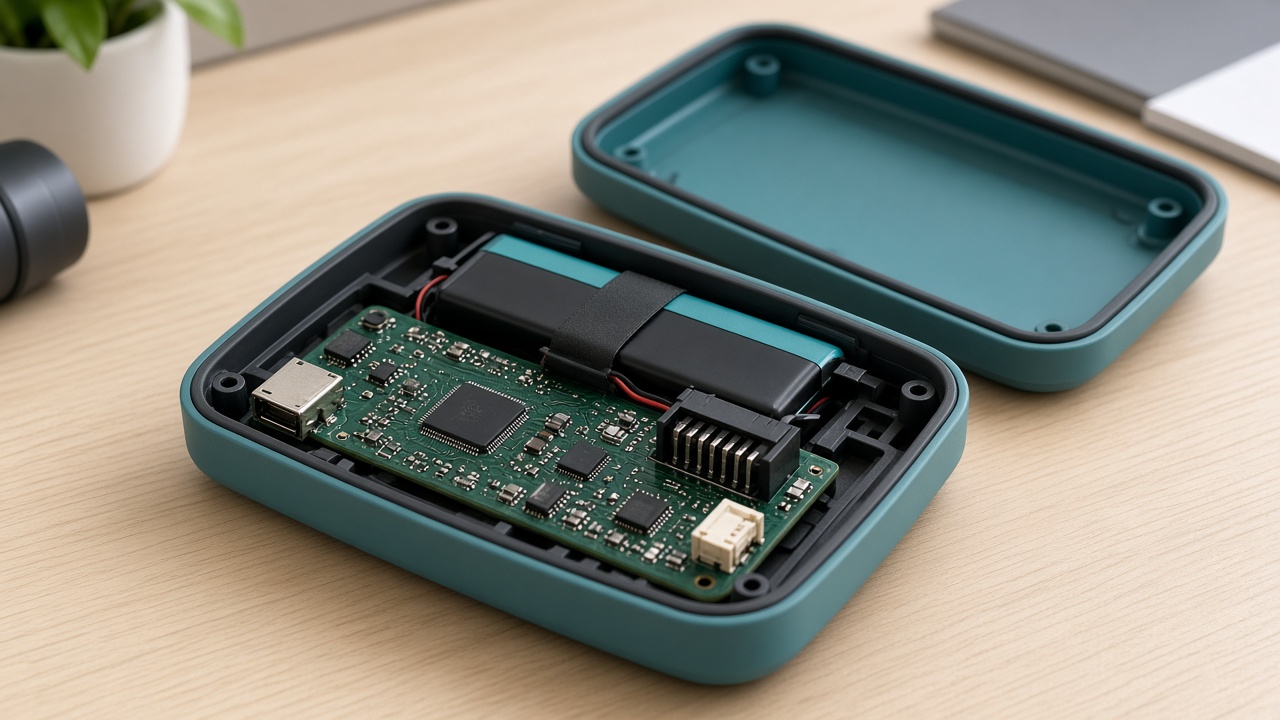
Enclosure design for electronics: a practical checklist from board envelope to sealed housing
Enclosure design for electronics is co-designing the board, battery, connectors, and housing as one system: shared envelope, seals, thermals, RF keepouts, and assembly access before tooling.
Read more: Enclosure design for electronics: a practical checklist from board envelope to sealed housing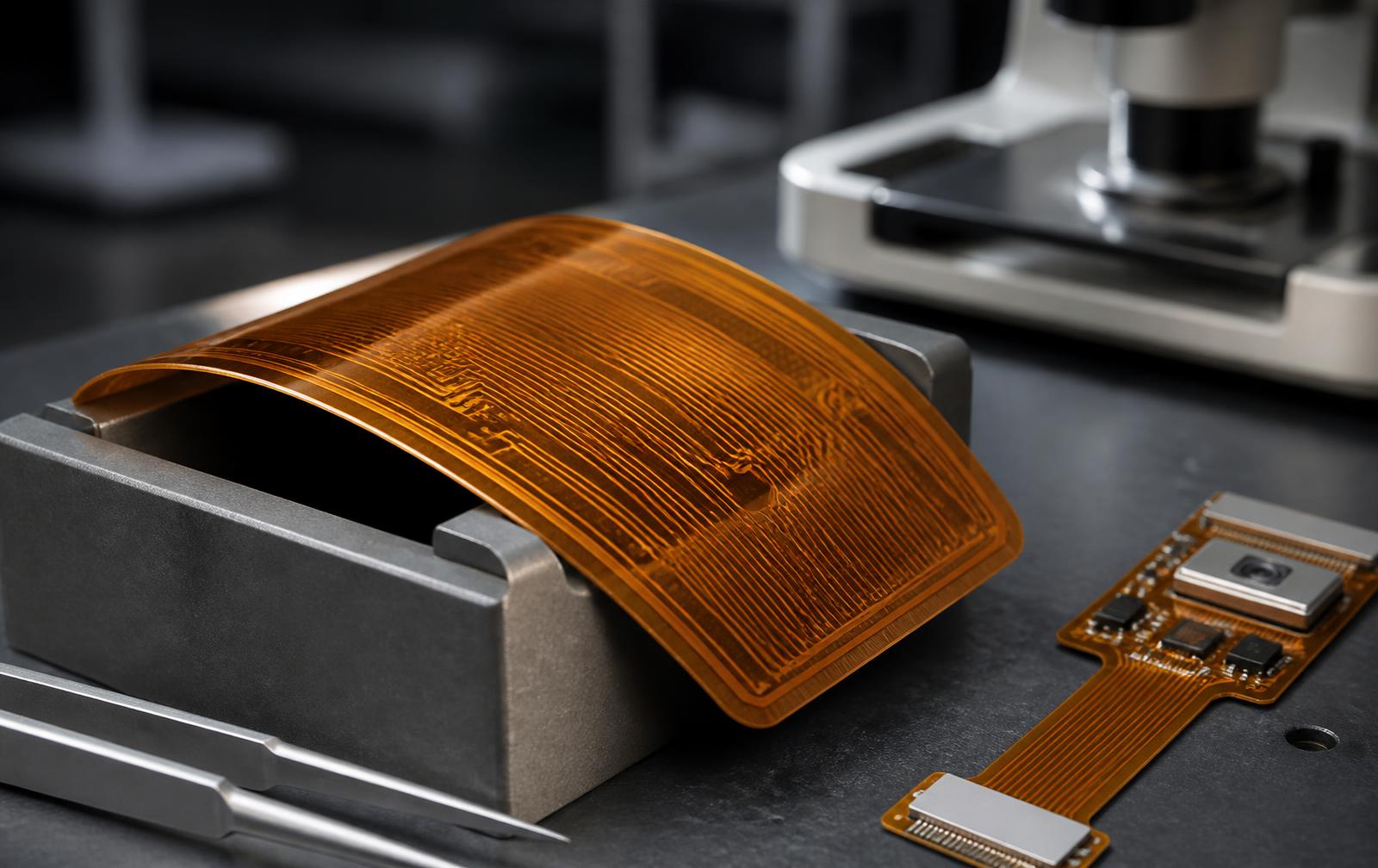
Bendable Electronics: Flex, Rigid-Flex and Stretchable Circuits
Bendable electronics are no longer a lab curiosity. Here is what flex, rigid-flex and stretchable circuits cost, where they fail, and how to choose between them.
Read more: Bendable Electronics: Flex, Rigid-Flex and Stretchable Circuits
Medical Device Manufacturing Software: Plm, Qms, MES and Erp
A practical map of the medical device manufacturing software stack: what each system does, where they overlap, validation effort and typical annual cost.
Read more: Medical Device Manufacturing Software: Plm, Qms, MES and Erp